

About The Art of Islamic Architecture: Exploring Custom Mihrabs and Domes for Modern Mosques
Islamic architecture is a testament to centuries of artistic and spiritual expression. The mosque, as its most prominent form, is a place of worship and a cultural landmark. Two of its most iconic features are the mihrab and the dome. The mihrab, a semicircular niche in the wall, marks the qibla—the direction of the Kaaba in Mecca—which Muslims face during prayer. It is a focal point of the prayer hall, often exquisitely decorated to inspire awe and devotion. The dome, a defining feature of many mosques, not only serves a structural purpose but also symbolizes the vault of heaven and the oneness of God, creating a sense of expansiveness and spiritual elevation within the space.
This guide, The Art of Islamic Architecture: Exploring Custom Mihrabs and Domes for Modern Mosques | Masjid Direct, delves into how these traditional elements can be beautifully and functionally integrated into modern mosque design. It is a resource for mosque committees, architects, and artists who seek to blend timeless spiritual symbolism with contemporary aesthetics and building techniques. The design of a mihrab and a dome is an art form that requires a deep understanding of geometry, calligraphy, and light. When done correctly, it can transform a simple prayer hall into a sublime sanctuary.
The guide explores the materials, techniques, and philosophies behind crafting these essential architectural features. We believe that modern mosques should not be seen as a break from tradition, but rather as an evolution of it. By using new materials and technologies, it is possible to create mihrabs and domes that are not only breathtakingly beautiful but also durable, cost-effective, and easy to maintain. The Art of Islamic Architecture: Exploring Custom Mihrabs and Domes for Modern Mosques | Masjid Direct provides a roadmap for this creative journey, offering insights into everything from initial design concepts to the final installation.
We will discuss how a custom-designed mihrab can become a unique masterpiece, reflecting the identity and values of the local community. We will also examine how a well-designed dome can improve acoustics and light distribution, enhancing the overall prayer experience. This guide is a celebration of the rich history of Islamic architecture and a forward-looking exploration of its future.
Details of The Art of Islamic Architecture: Exploring Custom Mihrabs and Domes for Modern Mosques
The intricate details of mihrab and dome design are what truly bring these architectural elements to life. The Art of Islamic Architecture: Exploring Custom Mihrabs and Domes for Modern Mosques | Masjid Direct emphasizes a deep understanding of these specifics, from the foundational materials to the final decorative touches. The mihrab, while simple in function, is a canvas for artistic expression. Its design often incorporates a variety of materials, each chosen for its aesthetic and practical qualities. These can range from traditional marble, with its timeless elegance and durability, to modern materials like fiberglass and reinforced concrete, which offer greater design flexibility and are more cost-effective.
Mihrab Material and Design Specifics
The choice of material for a custom mihrab is crucial. Marble and stone offer a sense of permanence and grandeur, with intricate carvings and inlays creating stunning patterns. However, they are heavy and require skilled artisans, which can increase the cost and complexity of the project. On the other hand, fiberglass and precast concrete allow for the creation of complex, lightweight designs that can be manufactured off-site and installed quickly. These materials can be molded to replicate traditional geometric patterns, calligraphic scripts, and arabesques with high precision. The finish can be made to mimic the look of marble, stone, or even wood, providing a wide range of aesthetic possibilities at a lower cost.
Dome Construction and Structural Details
Similarly, the construction of a dome involves a series of complex details. While traditional domes were built with brick or stone, modern domes often use steel frames or reinforced concrete. These materials allow for larger, lighter domes that are structurally sound and can be built more quickly. The outer surface of the dome can be clad in a variety of materials, including copper, lead, or modern composite materials, each offering a distinct aesthetic and level of weather resistance. The details extend to the interior of the dome. A well-designed dome ceiling can be a masterpiece of decorative art, featuring intricate mosaic tiles, stained glass, or complex geometric patterns. The use of light, whether from a central oculus or a series of windows, is a key detail that can create a dynamic and spiritual atmosphere.
The Integration of Calligraphy and Geometry
Calligraphy and geometric patterns are hallmarks of Islamic art and are essential details in mihrab and dome design. The mihrab often features Quranic verses, such as the Ayat al-Kursi, or the names of Allah and the Prophet Muhammad (PBUH). The style of calligraphy, whether it is the flowing Thuluth or the angular Kufic, can define the character of the space. Geometric patterns, with their infinite, non-representational nature, symbolize the timelessness and unity of God. The details of The Art of Islamic Architecture: Exploring Custom Mihrabs and Domes for Modern Mosques include a focus on how these traditional patterns can be digitally rendered and precisely executed using modern manufacturing techniques, ensuring a level of detail and perfection that was once only possible through painstaking handwork.
Acoustics and Lighting
The dome is not just a visual element; it also has a significant impact on the acoustics of the prayer hall. The curved surface can help to distribute sound evenly, but it can also cause a problematic echo. Modern dome design incorporates a detailed understanding of acoustics, using materials and shapes that absorb sound and reduce reverberation. Lighting is another critical detail. The mihrab, as the focal point, is often highlighted with subtle, indirect lighting to draw the eye. The dome can be lit from below to emphasize its height and intricate patterns. These elements, when carefully planned, create a cohesive and spiritually uplifting environment. The principles of The Art of Islamic Architecture: Exploring Custom Mihrabs and Domes for Modern Mosques | Masjid Direct ensure that every detail contributes to a harmonious whole.
Features of The Art of Islamic Architecture: Exploring Custom Mihrabs and Domes for Modern Mosques
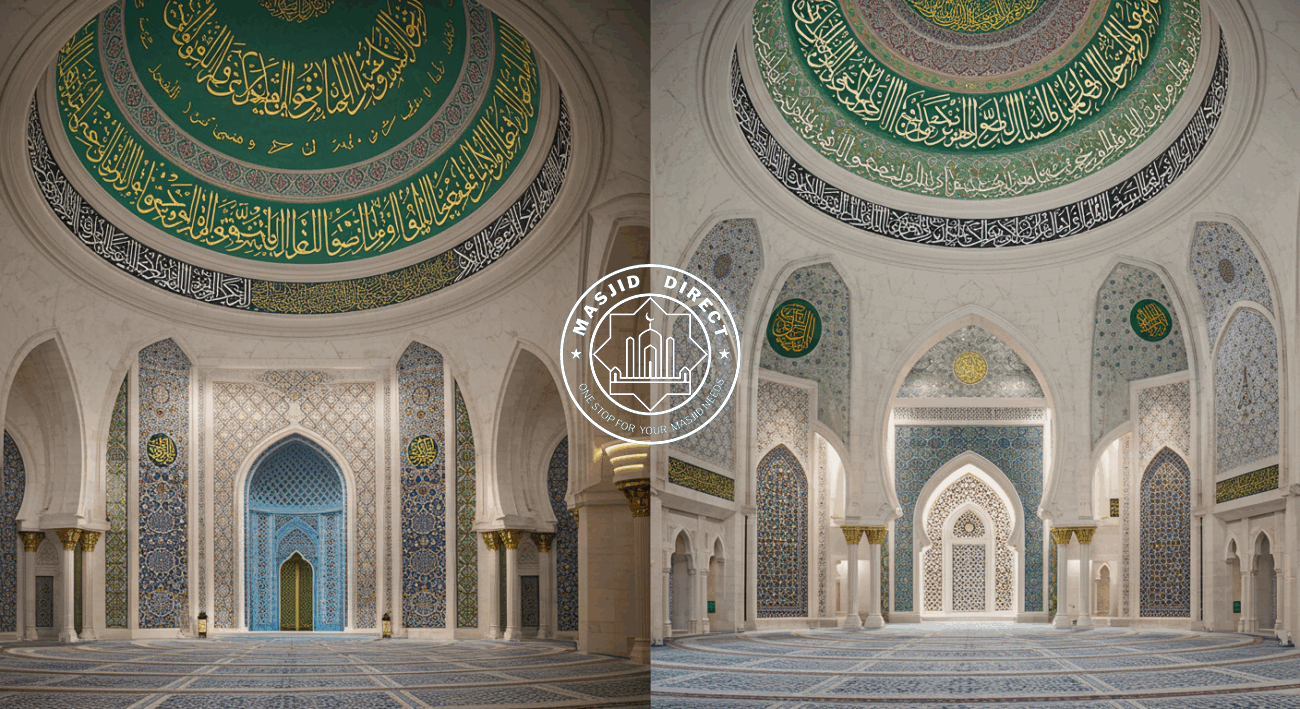
The guide, The Art of Islamic Architecture: Exploring Custom Mihrabs and Domes for Modern Mosques | Masjid Direct, outlines a range of features that define modern, custom-designed mihrabs and domes. These features go beyond traditional craftsmanship to embrace the possibilities offered by contemporary technology and materials. One of the most significant features is digital customization. In the past, creating a unique mihrab or dome was a lengthy and expensive process that required a team of highly skilled artisans. Today, with the use of Computer-Aided Design (CAD) software, a mosque can visualize its custom design in 3D before a single component is built. This feature allows for endless variations in pattern, color, and size, ensuring that the final product is a perfect match for the mosque’s architectural style and the community’s vision.
Another key feature is the use of lightweight, durable materials. While traditional materials like marble and stone have their place, modern materials like fiberglass, Glass Fiber Reinforced Concrete (GFRC), and composite panels offer a host of advantages. These materials are not only significantly lighter, reducing the structural load on the building, but they are also more durable and resistant to environmental factors like moisture and temperature changes. This longevity and low maintenance make them an ideal choice for modern mosques. The guide highlights how these materials can be shaped to replicate the look and feel of traditional craftsmanship with stunning accuracy.
The guide also emphasizes prefabricated modular construction. Instead of building these complex structures on-site, many modern mihrabs and domes are manufactured in a controlled factory environment. This feature ensures a high level of quality control and precision. The finished pieces are then shipped to the mosque and installed quickly, minimizing disruption to the community. This method is not only faster but also often more cost-effective. The Art of Islamic Architecture: Exploring Custom Mihrabs and Domes for Modern Mosques | Masjid Direct highlights how this approach allows for the creation of intricate, detailed designs that would be difficult and time-consuming to achieve through traditional on-site construction.
Finally, a crucial feature is the integration of modern technology. This includes everything from the use of energy-efficient LED lighting systems to illuminate the mihrab and dome, to advanced sound-absorbing materials integrated into the dome’s structure to improve acoustics. These technological features are not just functional; they are designed to enhance the spiritual experience within the mosque. They allow for a more dynamic and interactive space, where light and sound can be controlled to create different atmospheres for prayer, sermons, and community events.
Areas of The Art of Islamic Architecture: Exploring Custom Mihrabs and Domes for Modern Mosques
The principles of The Art of Islamic Architecture: Exploring Custom Mihrabs and Domes for Modern Mosques | Masjid Direct can be applied to various areas within a mosque, from the most prominent spaces to more subtle design elements. The use of custom mihrabs and domes goes beyond the main prayer hall to create a cohesive and spiritually enriching environment throughout the entire building.
The Main Prayer Hall: The Spiritual Heart
The main prayer hall is where the mihrab and dome have their most profound impact. The design here must be a masterpiece of art and engineering, serving as the central spiritual focus.
Mihrab as the Focal Point
The mihrab in the main prayer hall is the most important element of the interior. Its design should be grand yet inviting, with intricate details that draw the eye and focus the mind during prayer. A custom mihrab can be designed to match the specific dimensions and architectural style of the hall, creating a seamless and harmonious space. It often serves as the centerpiece of the entire interior design.
The Women’s Prayer Area: A Reflection of Unity
The women’s prayer area is a vital part of the mosque, and its design should reflect the same spiritual reverence as the main hall.
Harmonious Design Integration
While the women’s area may not have its own dome, it can have a smaller, beautifully crafted mihrab that mirrors the design of the main one. This ensures visual and spiritual consistency, creating a sense of unity between the two spaces. The mihrab in the women’s prayer area can be designed to be equally beautiful and functional, providing a clear qibla marker and a focal point for prayer.
The Main Entrance and Foyer: A Grand Welcome
The main entrance and foyer are the first impressions visitors have of the mosque. The design here should be welcoming and inspiring, setting the tone for the rest of the building.
Miniature Domes and Architectural Accents
While a large dome is reserved for the main prayer hall, a smaller, custom-designed dome or a series of them can be used in the foyer. These smaller domes can be a beautiful architectural accent, echoing the grandeur of the main dome and signaling the spiritual nature of the space. They can be lit from within to create a warm and inviting atmosphere, providing a sense of spiritual continuity as one enters the mosque.
Multi-Purpose Halls and Classrooms: Functional Beauty
Many modern mosques have multi-purpose halls and classrooms that are used for lectures, events, and educational programs. While these areas are functional, they can still be aesthetically pleasing.
Subtle Architectural Enhancements
These spaces may not feature a mihrab or dome, but their design can be inspired by them. For instance, a wall in a lecture hall can be decorated with a calligraphic script or a geometric pattern that is found on the main mihrab, creating a visual link to the rest of the building. This subtle design integration ensures that every part of the mosque, no matter its function, is a beautiful and inspiring space.
Application Examples of The Art of Islamic Architecture: Exploring Custom Mihrabs and Domes for Modern Mosques
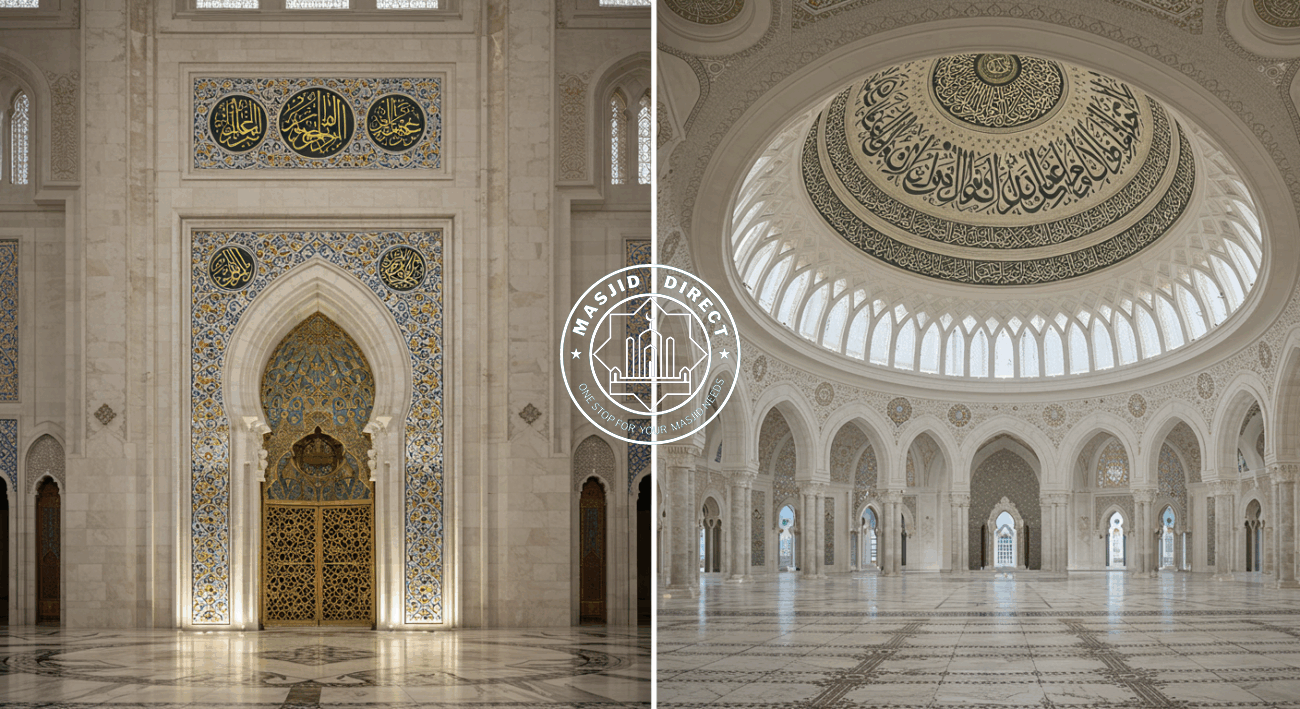
Here are some practical examples of how the principles from The Art of Islamic Architecture: Exploring Custom Mihrabs and Domes for Modern Mosques | Masjid Direct have been applied to real-world projects.
Example 1: The Contemporary Community Mosque
A mosque in a bustling city wanted a modern design that reflected its diverse community while honoring Islamic tradition. The committee chose a contemporary aesthetic with clean lines and a minimalist feel.
Fiberglass Mihrab with LED Lighting
The designers created a custom mihrab made of fiberglass. This material allowed for a sleek, curved design that would have been difficult and expensive to create with traditional stone. The mihrab featured a geometric pattern that was subtly engraved and lit from behind with warm LED lighting, making it the focal point of the prayer hall without being overly ornate.
Precast Concrete Dome with Integrated Skylights
Instead of a traditional large dome, the mosque opted for a precast concrete dome with a series of integrated skylights arranged in a star pattern. This design brought in an abundance of natural light, which created a dynamic and ever-changing light show on the interior walls. The dome was also designed with sound-absorbing materials to improve acoustics, making the Imam’s voice crystal clear.
Example 2: The Traditional Grand Mosque
A large mosque with a more traditional community desired a design that was a modern-day masterpiece, echoing the grandeur of historic Islamic architecture.
Hand-Carved Marble Mihrab
The centerpiece of the main hall was a custom mihrab meticulously hand-carved from a single block of white marble. The mihrab featured intricate floral motifs and a border of calligraphic script. The level of craftsmanship was extraordinary, and the mihrab stood as a testament to the community’s commitment to preserving traditional artistry.
Gilded Dome with Hand-Painted Motifs
The main dome was constructed with a steel frame and covered with a gilded exterior, giving it a majestic golden shine that could be seen from afar. The interior of the dome was hand-painted with a complex pattern of geometric shapes and arabesques in rich blue and gold tones. The dome was also designed to feature a circular window at its apex, creating a stunning ray of light that illuminated the center of the prayer hall.
Example 3: The Small Neighborhood Masjid
A small, local mosque had a limited budget but a strong desire for a beautiful and unique interior. They sought a solution that was both cost-effective and visually stunning.
Modular Mihrab with Custom Tile Work
The committee chose a pre-fabricated, modular mihrab unit. This reduced both cost and installation time. They then customized the mihrab by adding a layer of beautiful, hand-painted ceramic tiles around the border and within the niche. The tiles were sourced locally, giving the mihrab a unique and community-oriented feel.
Small Dome with Acoustic Treatment
The mosque had a small dome above its prayer hall. Instead of a complex, expensive design, they chose to paint the interior with a simple, elegant geometric pattern. They also installed sound-absorbing panels along the dome’s base, which significantly reduced echo and improved the acoustics of the small space.
Example 4: The Mosque in a Multi-Cultural Hub
A mosque in a large, multi-cultural city wanted its design to be a fusion of traditional Islamic art and a variety of global influences, creating a space that was welcoming to everyone.
Mihrab with Mixed Media Art
The custom mihrab was a masterpiece of mixed media. It featured a base of smooth, polished concrete with intricate calligraphic script etched into its surface. The script was then filled with a vibrant, colored resin, creating a modern, colorful look. The mihrab was bordered by a frame of dark wood with subtle geometric carvings, blending traditional and contemporary materials.
Dome with Stained Glass and Calligraphy
The mosque’s dome was constructed with a steel frame and clad in clear glass. The glass was then filled with large, custom-made stained glass panels featuring complex, non-traditional patterns and verses from the Quran in multiple languages. This created a stunning visual effect, as the light filtered through the stained glass and cast a beautiful mosaic of colors across the prayer hall, symbolizing the diversity and unity of the community.
The Art of Islamic Architecture: Exploring Custom Mihrabs and Domes for Modern Mosques FAQs
This section addresses some of the most common questions that mosque committees and designers have about custom mihrabs and domes.
1. How much does a custom mihrab or dome cost?
The cost can vary significantly based on the material, size, complexity of the design, and method of construction. A simple, small mihrab made of fiberglass might cost a few thousand dollars, while a large, hand-carved marble mihrab could cost tens of thousands. Similarly, a simple precast dome will be much more affordable than a large, custom-built dome with intricate detailing. The best way to get an accurate estimate is to contact a specialist like Masjid Direct for a detailed consultation and quote.
2. Can a mihrab or dome be designed for a mosque with a limited budget?
Yes, absolutely. The Art of Islamic Architecture: Exploring Custom Mihrabs and Domes for Modern Mosques | Masjid Direct emphasizes that beautiful design is achievable on any budget. Modular, pre-fabricated units, cost-effective materials like fiberglass and GFRC, and creative use of lighting and painting can all be used to create a stunning and unique mihrab or dome without the high cost of traditional hand-carved stone.
3. How long does the design and installation process take?
The timeline depends on the project’s scope. The design phase, which includes conceptualization, 3D modeling, and final approval, can take several weeks. Manufacturing a custom mihrab or dome can take anywhere from a few weeks to several months, depending on the material and complexity. On-site installation is generally faster for pre-fabricated units, often taking just a few days to a week. The overall project timeline should be discussed in detail with the supplier before beginning.
4. How are modern domes and mihrabs more durable?
Modern materials like GFRC and fiberglass are highly resistant to moisture, temperature changes, and cracking, which are common problems with older structures. They are also less susceptible to damage from earthquakes. Additionally, they are often sealed with protective coatings that make them easier to clean and maintain, ensuring that they retain their beauty for many years.
5. Can a dome be purely decorative or does it have a functional purpose?
A dome serves both decorative and functional purposes. While its beautiful interior is a source of spiritual inspiration, its physical shape and material can also improve the acoustics of the prayer hall by distributing sound evenly. A dome with an oculus or windows can also serve as a natural light source. The combination of these functions is a key feature of the best designs explored in The Art of Islamic Architecture: Exploring Custom Mihrabs and Domes for Modern Mosques | Masjid Direct.
6. How do modern technologies like 3D printing and CNC milling apply to this art form?
Modern technologies like 3D printing and CNC (Computer Numerical Control) milling allow for the creation of intricate and complex patterns with a level of precision that is nearly impossible to achieve by hand. These machines can precisely carve patterns into materials like wood, stone, or even foam for molding. This makes custom designs more accessible, affordable, and accurate. It is a perfect example of how technology can enhance and complement traditional craftsmanship. To learn more about how technology is shaping architectural design.
The Art of Islamic Architecture: Exploring Custom Mihrabs and Domes for Modern Mosques | Masjid Direct is a comprehensive guide that bridges the gap between traditional Islamic art and contemporary architectural practices. It demonstrates that the timeless beauty and spiritual significance of the mihrab and dome can be preserved and even enhanced using modern materials, technology, and design philosophies. By providing a clear and detailed roadmap, this guide empowers mosque committees to create sacred spaces that are not only aesthetically stunning but also durable, functional, and deeply meaningful for the communities they serve. This is not just about building a structure; it is about creating a living testament to faith, artistry, and community.