

Masjid Sound | Masjid Direct is the definitive source for bespoke acoustic and audio solutions tailored specifically for the complex architectural and spiritual demands of mosques. In a place of worship, sound is not merely a utility; it is a critical component of communication, concentration, and spiritual unity. A flawless Masjid Sound system ensures that every syllable of the Imam’s recitation, every word of the Khutbah (sermon), and the majestic call of the Adhan (call to prayer) is transmitted with perfect audibility and intelligibility to every worshipper, both inside and outside the premises.
At Masjid Direct, we recognize that traditional mosque architecture—characterized by expansive domes, high ceilings, and hard, reflective surfaces like marble and plaster—presents immense acoustic challenges, primarily the issue of excessive reverberation. Our corporate commitment is to overcome these hurdles using advanced Computer Modelling and Prediction Software to deliver crystal-clear audio that respects the sacred aesthetics of the building. This in-depth guide explores the specialized components, engineering requirements, and diverse applications of modern Masjid Sound systems.
Masjid Sound About: The Critical Role of Clarity and Reverence
The successful design of Masjid Sound systems revolves around two core acoustical principles: Speech Intelligibility and Sound Audibility. In the context of Islamic prayer (Salah) and communal gatherings, these are paramount.
The Problem of Reverberation in Mosque Architecture
Traditional mosque designs—with their large volumes, domes, and numerous hard surfaces (marble flooring, tiled walls)—are intrinsically prone to a long Reverberation Time (RT60). Reverberation occurs when sound energy reflects off surfaces multiple times, causing words to overlap and become garbled. While a certain amount of natural reverberation can lend a pleasant, spacious quality to the atmosphere, an excessive duration makes the Imam’s voice unclear, especially during fast-paced recitations or detailed lectures. A poor acoustic environment disrupts concentration (Khushu’) and undermines the essential spiritual act of listening and understanding.
The Solution: Active and Passive Acoustics
Masjid Sound | Masjid Direct employs a dual approach:
- Passive Acoustic Treatment: This involves strategically installing Acoustic Panels on walls or ceilings, using dense Masjid Carpet on floors, and sometimes integrating hidden resonators to naturally absorb or diffuse excessive sound energy, thereby
- Active Sound Reinforcement: This involves selecting and positioning specialized loudspeakers—such as Column Array Speakers with Beam Steering Technology—that direct sound energy only toward the seating (worshipper) areas and minimize energy hitting hard, reflective surfaces like the dome or far walls.
Our engineering expertise ensures that the Masjid Sound system works with the mosque’s geometry, not against it, providing a consistent, uniform sound pressure level across the entire prayer hall, making the voice of the Imam clear and uniformly distributed to every corner. The correct system, such as a Masjid Sound | Masjid Direct Modelleri, fosters the tranquil and unified environment required for proper worship.
Masjid Sound Details: Advanced Components and Acoustic Engineering
Designing an effective Masjid Sound system is a highly specialized task that integrates advanced technology with architectural requirements. Masjid Sound | Masjid Direct utilizes state-of-the-art equipment and computational tools to ensure superior performance.
I. The Core Challenge: Controlling Sound Dispersion
The main objective in any large, reverberant space is to increase the Direct-to-Reverberant Ratio. This means ensuring the sound that reaches the listener directly from the speaker is significantly louder than the reflected, delayed sound, thus preserving speech clarity.
1. Column Array Loudspeakers: The Architectural Solution
- Acoustic Principle: Traditional box speakers spray sound energy indiscriminately, hitting reflective surfaces. Column Array Speakers use multiple small drivers arranged vertically to create a focused, highly directional beam of sound.
- Key Benefit: This narrow vertical dispersion directs sound specifically over the heads of the worshippers and minimizes the amount of sound energy hitting the high ceilings and domes, which are the primary sources of problematic long-delay reflections and echoes. The sleek, slim profile of the columns also allows them to blend seamlessly with the mosque’s architectural pillars and decor.
2. Digital Signal Processing (DSP) and Beam Steering
- Advanced Technology: For the most challenging acoustic environments, Masjid Sound | Masjid Direct employs Beam Steering Technology. This is integrated into sophisticated column speakers and controlled by Digital Signal Processors (DSP).
- Functionality: The DSP can electronically tilt and shape the sound beam. Instead of physically aiming the speaker, the installer uses software to define precise coverage zones, ensuring the sound reaches the back row without splashing onto the front wall or Mihrab (which can cause feedback). This fine-tuning is crucial for optimizing speech intelligibility.
II. The Source: Microphones and Imam Placement
The quality of the sound system begins with the source.
1. Imam Microphones
- Gooseneck vs. Headset: For the Imam during prayer, a quality gooseneck microphone placed on the Minbar or a small dedicated desk is essential. These are typically Cardioid Microphones chosen for their ability to pick up sound from the front while rejecting ambient noise and potential feedback from the speakers.
- Headset/Lavalier: For lectures (Khutbah) or teaching sessions, a comfortable, high-quality wireless headset or lavalier microphone provides the Imam with freedom of movement without sacrificing vocal clarity.
2. Azan (External) Microphones
- Outdoor Requirements: The Muezzin requires a dedicated, robust microphone connected to the external horn speakers on the Minaret. This setup needs precise gain staging to achieve the necessary volume for the Adhan without distorting the sacred call.
III. System Integration and Control
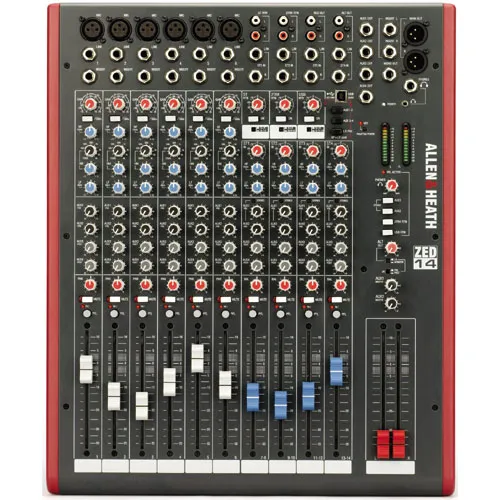
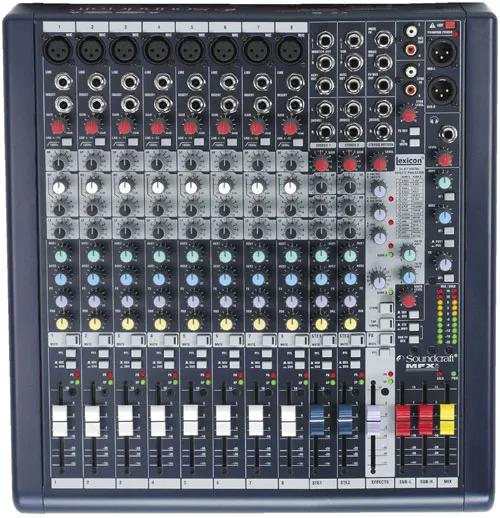
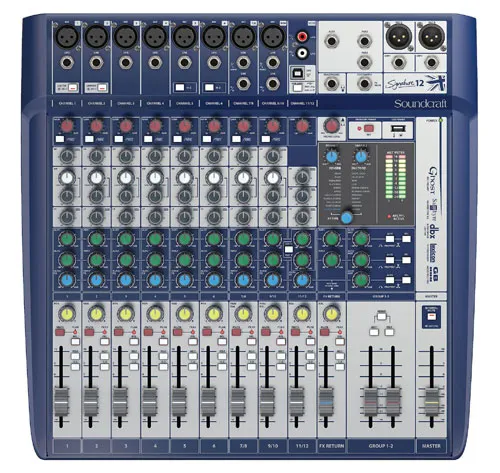
1. Digital Mixing Consoles
- Ease of Use: A mosque sound system must be simple for volunteers or non-technical staff to operate. We provide digital mixers with pre-set scenes for different functions (e.g., Jumu’ah Prayer, Daily Prayer, Lecture Mode). This minimizes the risk of feedback and poor sound quality due to incorrect settings.
2. Multi-Zone Amplification
- Customized Volume: Large mosques often require Multi-Zone Amplification to control the volume independently in different areas, such as the main prayer hall, the mezzanine/ladies’ section, the courtyard, and the overflow rooms. This ensures optimal volume levels for all worshippers, meeting the needs of every Masjid Sound | Masjid Direct Modelleri installation.
IV. The Design Process: Computer Modelling
Masjid Sound | Masjid Direct eliminates guesswork using specialized acoustic simulation software (like EASE or CATT-Acoustic).
- Virtual Prototype: We input the precise architectural drawings (dimensions, materials, and geometry) of the mosque.
- Prediction: The software calculates the Reverberation Time, Sound Pressure Level (SPL) distribution, and Speech Transmission Index (STI) before installation.
This commitment to advanced acoustic science and tailored component selection is what defines a superior Masjid Sound installation.
Masjid Sound : Performance, Discretion, and Reliability
The distinguishing characteristics of a premium Masjid Sound system are defined by its ability to perform flawlessly, remain visually unobtrusive, and operate reliably over the long term.
1. Architectural Discretion
Aesthetics and Visual Integration: Unobtrusive Design
In sacred spaces, the technology must not interfere with the architectural beauty. Our speaker solutions are designed to be slim, elegant, and colour-matched (e.g., white, beige, or custom colours) to blend with the columns and walls. The use of Line Array Speakers minimizes the physical presence required to cover large areas, ensuring the focus remains on the spiritual environment, not the equipment.
3. Reliability and Durability
System Longevity and Minimal Maintenance: Built for Continuous Operation
Mosque sound systems are used multiple times daily, seven days a week, making reliability paramount. Masjid Sound | Masjid Direct utilizes professional-grade components from trusted manufacturers, known for their robust build quality and longevity. Our equipment features thermal protection and overload safeguards in amplifiers, minimizing failure risk and ensuring the Adhan and prayers are never interrupted.
4. Feedback Suppression and Acoustic Control
Eliminating Distracting Noise: DSP-Driven Feedback Management
Acoustic feedback (the irritating high-pitched squeal) is a common issue. Our digital mixers and DSP units include built-in Automatic Feedback Suppression (AFS) and Equalization (EQ) tailored to the mosque’s unique acoustic profile. This allows the Imam to speak at a comfortable volume without creating noise, contributing significantly to a tranquil atmosphere.
Masjid Sound Alanları: Tailored Solutions for Every Zone
A comprehensive Masjid Sound system extends far beyond the main prayer hall, requiring specialized equipment for distinct functional areas.
1. The Main Prayer Hall (Musalla)
Musalla: Clear, Directional Sound Coverage
Column Arrays for Clarity
This is the primary zone for the Column Array Speakers. Speakers are mounted on pillars or walls, distributed spatially to ensure the sound from the speaker closest to a worshipper reaches them before the reflections from the dome. This technique, known as a Distributed Speaker System, is essential for overcoming high reverberation time.
Delay Processing for Uniformity
In long halls, speakers further from the Mihrab (Imam) are slightly delayed using DSP. This crucial step ensures the sound from all speakers arrives at the listener’s ear simultaneously, preventing garbled audio.
2. The Ladies’ Prayer Area (Mezzanine/Gallery)
Ladies’ Section: Independent Zone Control
Dedicated Ceiling or Wall Speakers
The upstairs gallery or partitioned ladies’ section often requires a dedicated set of Ceiling Speakers or smaller Wall-Mounted Speakers. These must be connected to their own independent audio zone on the mixer, allowing the volume to be adjusted separately without affecting the main hall. This respects the privacy and specific acoustic needs of this area.
Visual Monitoring Integration
In addition to sound, this zone often integrates with the mosque’s visual system, requiring clear wiring and connection points for monitors displaying the Imam or speaker.
3. The Minaret and Exterior Public Address
Minaret/Exterior: Powerful and Weather-Resistant Broadcasting
Horn Speakers for the Adhan
The iconic call to prayer requires highly powerful, directional, and Weather-Resistant Horn Speakers mounted on the Minaret. These are designed to project the sound (the Adhan) over a vast distance while remaining durable against rain, wind, and temperature extremes.
Volume and Control: Legal and Community Requirements
The exterior volume must be carefully balanced to be clear for the community without causing excessive disturbance. The system includes an output limiter to comply with local noise ordinances, ensuring powerful but controlled external sound delivery.
4. Teaching and Lecture Rooms
Classrooms and Meeting Spaces: Flexible and Portable Systems
Ceiling Speakers and Portable Mixers
Smaller classrooms or meeting spaces often use basic Ceiling Speakers for general audio (such as lessons or video playback). We also provide Portable PA Systems—compact mixers and speakers—that can be quickly set up for smaller lectures or events, offering maximum flexibility across the complex.
Input Flexibility
These zones require flexible input options (Bluetooth, AUX, USB) to accommodate diverse teaching and presentation needs.
Usage Examples: Tailored Masjid Sound | Masjid Direct Solutions
These examples illustrate how Masjid Sound | Masjid Direct customizes acoustic solutions for different mosque scenarios.
Usage Example 1: The Grand, Domed Imperial Mosque
Grand Domed Mosque: Beam Steering for Reverberation Control
System Selection: DSP-Enabled Column Array Speakers
The Solution: Installation of eight-foot tall, high-fidelity DSP-Enabled Column Array Speakers discreetly mounted onto the main pillars. Using the built-in Beam Steering software, our engineers tilt the sound beam electronically to avoid the dome entirely, focusing the acoustic energy directly onto the carpeted floor area where the worshippers are seated. This drastically cuts the reverberation and boosts the STI.
Usage Example 2: The Multi-Story Community Masjid
Multi-Story Community Masjid: Multi-Zone Audio and Time Delay
System Selection: Multi-Channel Digital Mixer and Distributed Speakers
The Challenge: A vertically oriented mosque with a main hall, a mezzanine gallery, and a basement overflow area, requiring simultaneous, synchronized sound across three floors.
The Solution: A Multi-Channel Digital Mixer capable of managing four independent zones. The main hall uses its own set of speakers, while the mezzanine and basement utilize separate, smaller speakers, all connected to the central audio feed. Crucially, we apply Digital Time Delay processing to the audio signal for the mezzanine and basement, ensuring worshippers there hear the sound simultaneously with the main hall and not as a distracting echo.
Key Outcome: Seamless Synchronization for Overflow Areas
This configuration guarantees seamless synchronization, crucial for worshippers in the overflow areas to follow the Imam’s movements and recitations in perfect time.
Usage Example 3: Exterior Adhan and Community Outreach
Exterior Adhan Broadcast: Focused Minaret Sound Projection
System Selection: High-Powered, Weatherproof Horn Speakers
The Challenge: Broadcasting the Adhan clearly over a densely populated, large urban area while controlling the sound to avoid neighbour complaints outside the required zone.
The Solution: Installation of highly directional, IP66-rated Weatherproof Horn Speakers on the Minaret, utilizing a powerful yet stable power amplifier. The system is designed to project the sound optimally along the street axes, and a Volume Limiter is pre-set in the rack, complying with local Sound Pressure Level (SPL) regulations.
Key Outcome: Clear, Controlled Adhan Projection
The outcome is a clear, majestic Adhan that serves the community without exceeding regulated noise thresholds, achieved by the quality and aiming precision of the Masjid Sound | Masjid Direct Modelleri.
Usage Example 4: The Historical Stone Masjid Renovation
Historical Stone Masjid: Integrated Passive and Active Acoustics
System Selection: Passive Acoustic Panels and Ultra-Slim Speakers
The Challenge: A listed historical building with thick, highly reflective stone walls where modern acoustic panels cannot be visibly installed, coupled with an extremely long RT60.
The Solution: The first step is Passive Treatment, integrating discreet, fabric-covered Acoustic Absorption Panels behind decorative wooden lattice work or high up in the ceiling coffers. This passively reduces the reverberation time. This is paired with ultra-slim, custom-coloured Line Array Speakers that disappear visually against the stone columns, completing the Masjid Sound system.
Key Outcome: Improved Intelligibility with Aesthetic Preservation
The combination drastically reduces acoustic harshness while preserving the historical and aesthetic integrity of the stone structure, demonstrating how Masjid Sound | Masjid Direct balances engineering with heritage.
Masjid Sound(FAQs): Design, Maintenance, and Upgrades
Mosque committees and facility managers often have specific concerns regarding the complex field of Masjid Sound. Our answers address the most frequent inquiries.
1. Can the dome or Mihrab cause sound problems?
Acoustic Deficiencies of Curved Surfaces
Yes, curved surfaces are the most challenging acoustic elements. A dome acts as a Focusing Element, concentrating sound energy at a specific point on the floor, which can create hot spots of volume and cause delayed, loud reflections (echoes). The semi-circular or niche shape of the Mihrab can also act as a sound reflector, causing early reflections that can interfere with the Imam’s direct voice, leading to potential feedback. We mitigate this using highly directional speakers and often by applying hidden absorption materials within the upper parts of the Mihrab.
3. How often should a mosque sound system be serviced?
Recommended Maintenance Schedule
We recommend a full system check-up and service at least once per year. Given the heavy daily usage of the system for five daily prayers, a preventative maintenance check is vital. This service includes cleaning microphone contacts, checking cable connections, testing speaker performance in all zones, and verifying the DSP settings to ensure consistent performance and prevent minor issues from escalating into major system failures.
4. What are the legal requirements for external Adhan volume?
Complying with Local Noise Regulations
Legal requirements vary significantly by country and municipality. Generally, the volume must not exceed a specific Decibel (dB) Level—often referred to as the Noise Criteria (NC)—at the boundary of the mosque property, particularly in residential areas. Our exterior systems include calibrated Limiters on the amplifier output to guarantee compliance. This ensures the powerful Adhan is clearly audible without violating local ambient noise laws.
5. Why do I hear an echo even though the mosque is carpeted?
The Limitation of Carpets
While Masjid Carpet is an excellent low-frequency absorber, it only covers the floor. The primary surfaces causing echoes are the large, high-frequency reflective areas: the dome, high walls, and plaster ceilings. These surfaces require specialized Acoustic Panels or the precise sound focusing provided by our Column Array Speakers to control the long-delay reflections that the carpet cannot absorb. The echo you hear is a reflection from the surfaces above the worshippers’ heads.
6. Can my existing analog sound system be upgraded to a digital multi-zone system?
Phased Digital Upgrade Path
Yes, absolutely. Masjid Sound | Masjid Direct specializes in phased upgrades. We can often retain existing speaker wiring but replace the core components—the mixer, amplifiers, and potentially the main speakers—with digital counterparts. A digital upgrade provides essential DSP control, feedback suppression, and multi-zone functionality (e.g., separating the main hall from the mezzanine), dramatically improving the clarity and user experience of your Masjid Sound system.
The Voice of Unity
A meticulously engineered Masjid Sound system is the silent guardian of the spiritual experience. It ensures that the divine message and the collective prayer are unified by crystal-clear audio, free from the distractions of echo and feedback. Masjid Sound | Masjid Direct brings together acoustic science, sophisticated technology, and deep respect for architectural heritage to deliver sound systems of unmatched clarity, reliability, and discretion. Investing in our bespoke solutions is investing in the Khushu’ (concentration) of your congregation and the lasting spiritual integrity of your house of worship.