
Masjid Mihrab | Masjid Direct provides bespoke, high-quality, and structurally magnificent niches that define the spiritual axis of any Islamic place of worship. The Mihrab is arguably the most sacred architectural feature in a mosque. It is the semicircular or recessed archway set into the Qibla wall, which unequivocally indicates the direction of the Kaaba in Mecca, towards which all Muslims face during their daily prayers (Salat). Its function is both profound and practical: to provide a visual focal point for the Imam (prayer leader) and the congregation, ensuring unity and correct orientation in worship.
At Masjid Mihrab | Masjid Direct, we understand that a Mihrab is not merely a decorative niche; it is a profound symbol and a necessary guidepost. Its design must integrate harmoniously with the mosque’s overall architectural style—whether classical Ottoman, contemporary minimalist, or regional Islamic art. Our corporate approach focuses on marrying traditional craftsmanship, superior materials (such as marble, fine wood, and custom tiling), and modern engineering to create a centerpiece that is structurally sound, visually breathtaking, and deeply resonant with faith. This detailed guide explores the history, design complexity, and essential features of the Mihrab, establishing why our solutions are the definitive choice for Masjids worldwide.
Masjid Mihrab About: History, Symbolism, and Function
The Masjid Mihrab is a defining element of mosque architecture, holding a history that dates back to the early period of Islam’s expansion. While the Prophet Muhammad’s Mosque in Medina initially marked the Qibla (direction of prayer) with a simple sign or painted line, the architectural niche as we know it today evolved over time. The first known concave Mihrab was introduced during the Umayyad Caliphate in the 8th century, notably during the reconstruction of the Prophet’s Mosque under Caliph Al-Walid I. Its adoption was a functional innovation to clearly distinguish the prayer direction, which became increasingly vital as Islam spread to lands far from Mecca.
Symbolically, the Masjid Mihrab is often viewed as a spiritual gate or the ‘gate of heaven,’ a visual metaphor for the connection between the worshipper and the Divine. The arched design often echoes the portals of paradise described in Islamic texts, creating an atmosphere of reverence and contemplation. The Imam stands within this niche, and the congregation’s focus is naturally drawn to this point, reinforcing the concept of unity and singular direction in prayer. Structurally, the wall containing the Mihrab is known as the Qibla Wall. This wall not only establishes the orientation but also typically serves as the most decorated and architecturally significant part of the entire mosque. Thus, the selection of a Mihrab from Masjid Mihrab | Masjid Direct is a choice to honour this rich historical and spiritual tradition, ensuring the mosque’s central feature is crafted with the highest level of respect and artistry. Our custom designs seamlessly blend tradition with modern structural integrity, making them worthy focal points for any congregation.

Masjid Mihrab Details: Craftsmanship, Materials, and Design Components
The successful creation of a magnificent Masjid Mihrab lies in the meticulous attention to detail, from the choice of raw materials to the precision of the intricate decorative elements. At Masjid Mihrab | Masjid Direct, we specialize in the custom engineering and flawless execution of these central architectural features.
Material Selection: Blending Aesthetics with Durability
The material used for a Masjid Mihrab is the primary determinant of its aesthetic quality, longevity, and maintenance requirements. Our specialists guide clients through the best choices based on architectural vision and budget:
- Marble Mihrabs: Timeless Elegance and Structural Grandeur. Marble is the traditional and most prestigious material for mihrabs. It offers a sense of permanence and purity. We use high-quality, dense marbles in various colours (white, cream, onyx, and coloured varieties) that can be intricately carved and polished. Marble provides exceptional durability and is easy to clean, resisting the wear of humidity and time. The inherent coolness of marble also contributes to the mosque’s temperature regulation.
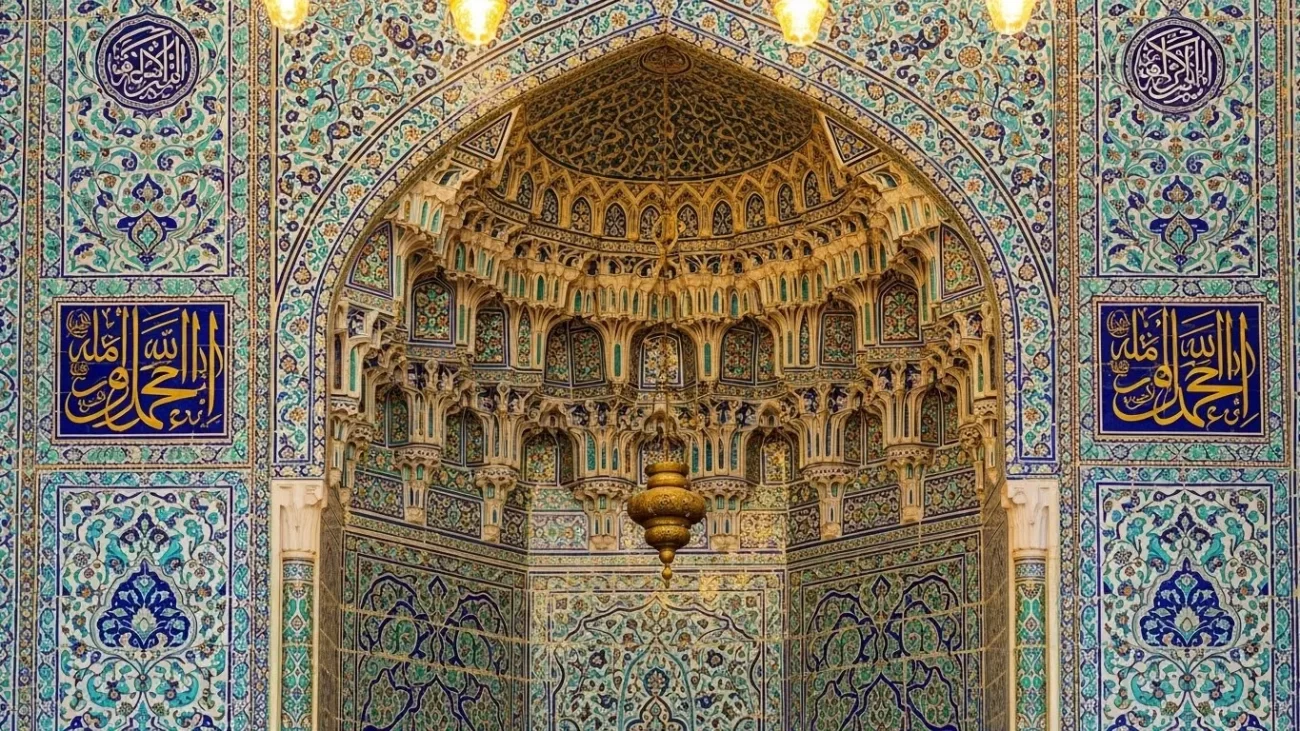
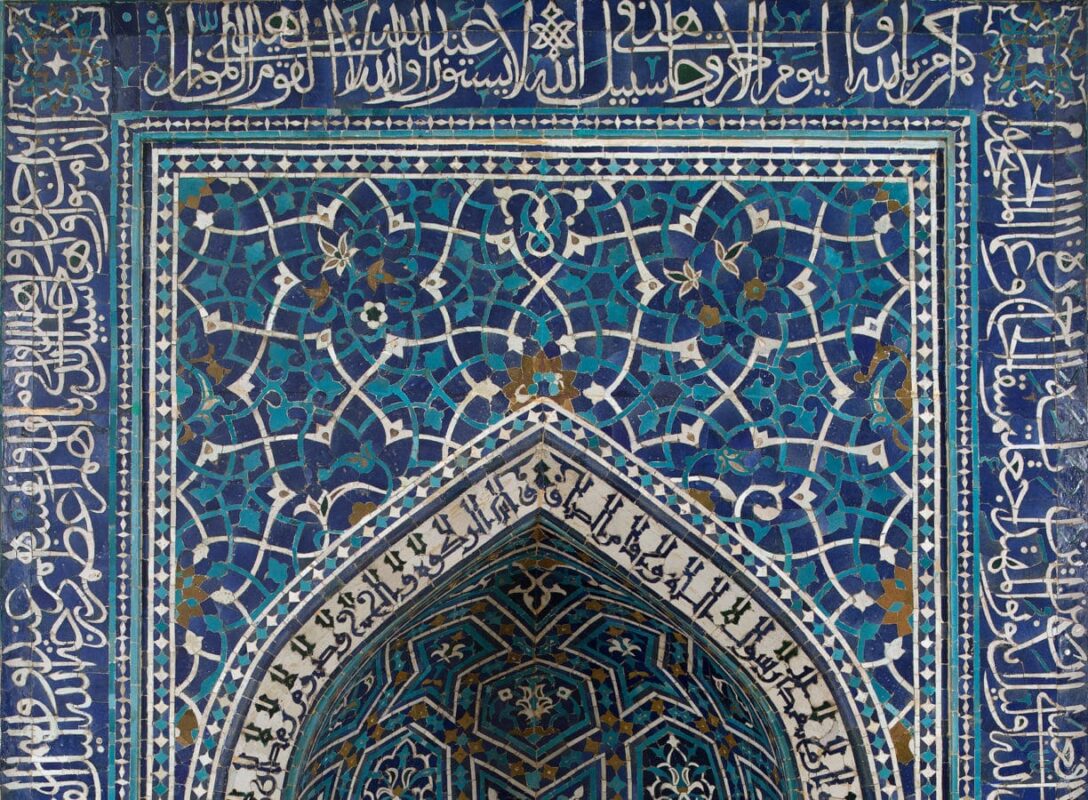
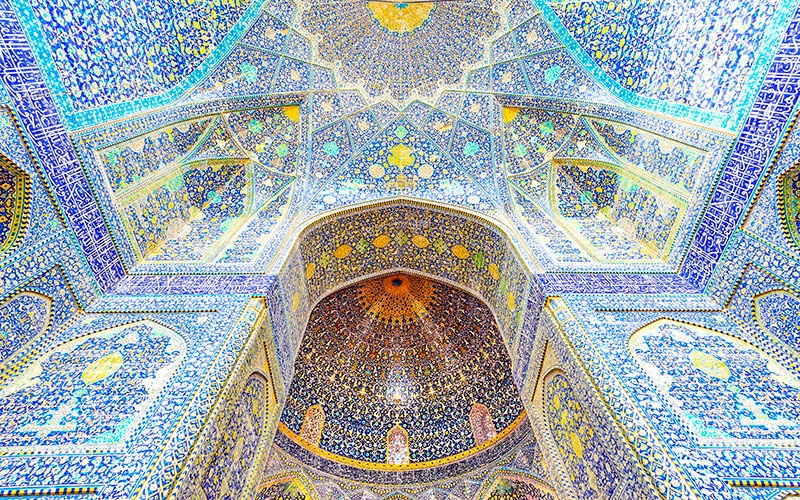
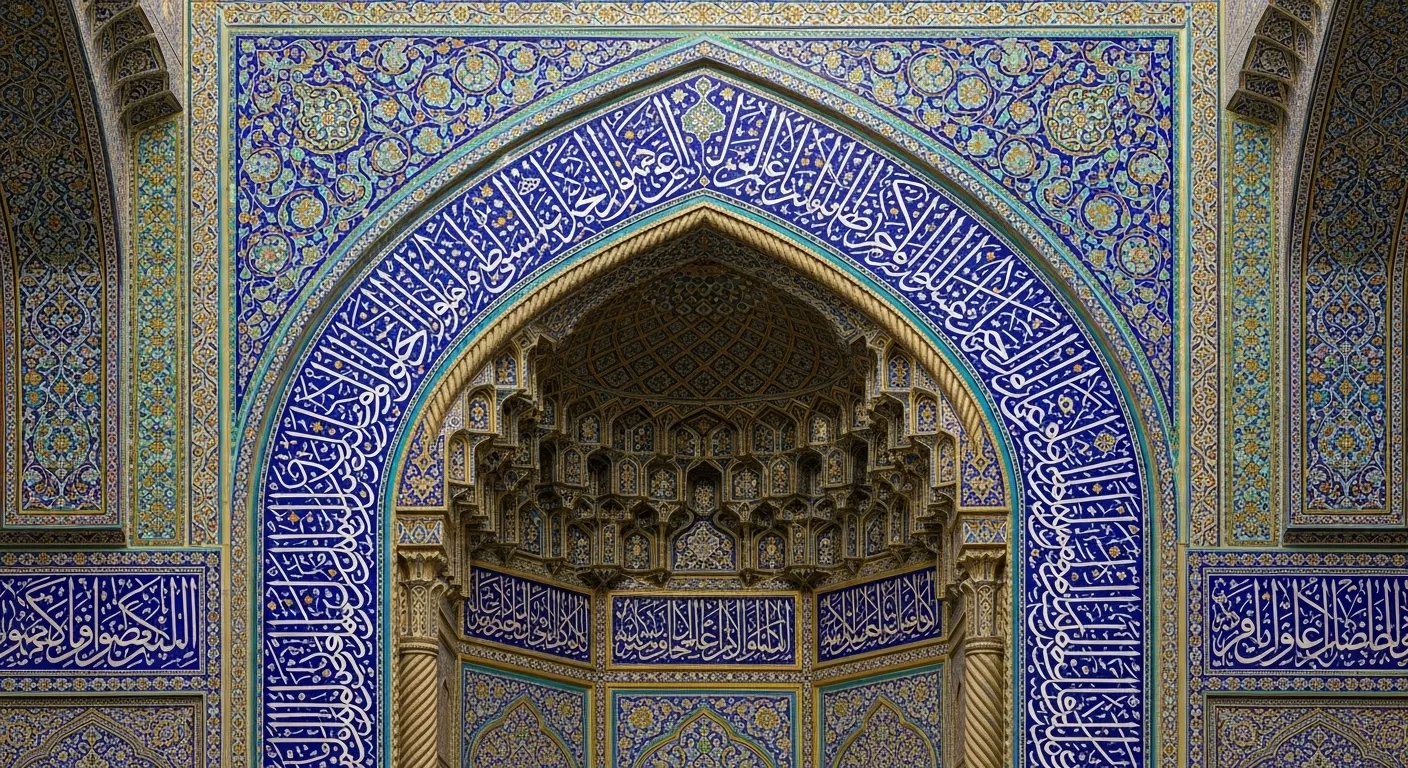
- Tile and Mosaic Mihrabs: Vibrant Artistry and Intricate Detail. Tile mihrabs, particularly those utilizing techniques like traditional Turkish Iznik or Iranian mosaic tiling, are renowned for their vibrant colours and complex geometric and floral patterns. The process involves cutting thousands of individual, glazed tiles (Mozaik Çini) and fitting them together to form a seamless, luminous design. This choice allows for a rich interplay of colour and light, turning the Mihrab into a stunning mural.
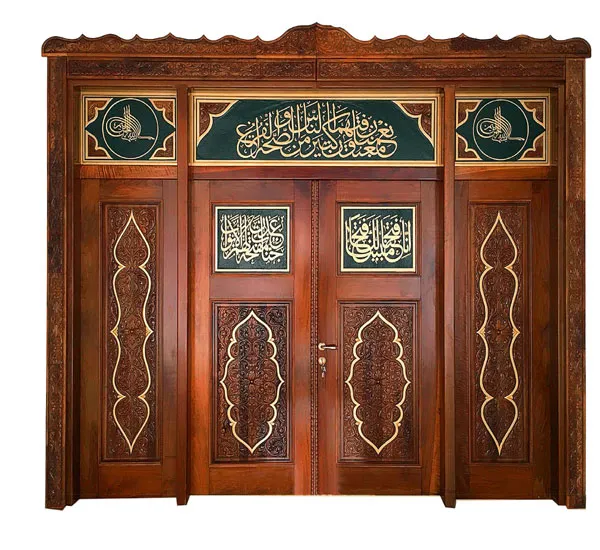
- Wooden Mihrabs: Warmth, Depth, and Detailed Carving. High-quality wood, such as walnut, oak, or cedar, is often used, particularly in regional Islamic architecture. Wood offers a warmer, more intimate feel and is perfect for showcasing exquisite Islamic Calligraphy and deep, intricate carvings (kündekâri or ajour work). Wooden Mihrabs from Masjid Mihrab | Masjid Direct can be stained or lacquered to achieve a deep, rich finish that provides a beautiful contrast to the surrounding wall.
Architectural Components of the Mihrab
A Mihrab is composed of several classic elements that contribute to its distinctive shape and symbolic meaning. A comprehensive understanding of these parts is crucial for a custom design:
- The Niche (Kavsara): This is the recessed area where the Imam stands. It is typically a semi-circular or semi-polygonal space, often topped by a semi-dome or Muqarnas (stalactite vaulting). The depth of the niche provides an acoustic benefit, helping to project the Imam’s voice.
- The Arch (Taç/Hilly): The ornamental framing that surrounds the niche opening. It can range from a simple pointed arch to a highly elaborate horseshoe arch or a scalloped frame. The arch symbolically frames the spiritual focal point.
- The Frame and Borders (Kuşak): The rectangular border surrounding the entire Mihrab structure. This area is the primary location for Qur’anic inscriptions and intricate decorative bands (Calligraphy). The script used (often Thuluth or Kufic) is a key element of the Mihrab’s artistic identity.
- The Capitals and Columns (Sütunlar): Small columns or pilasters often flank the niche, supporting the arch. These provide structural definition and are frequently adorned with geometric or vegetal motifs (Rumi).
- The Spandrels and Pediment (Köşelik): The triangular spaces above the arch and within the outer frame. These areas are ideal for featuring smaller, significant motifs or specific verses of the Qur’an.
Calligraphy and Ornamentation: The Soul of the Mihrab
No Masjid Mihrab is complete without appropriate decoration. The ornamental elements serve a spiritual purpose by reminding worshippers of God’s names and attributes.
- Islamic Calligraphy: The most critical decorative element. Verses are carefully selected—often relating to the establishment of prayer, the centrality of the Kaaba, or the Ayat al-Kursi (Verse of the Throne). The skill of the calligrapher determines the beauty and clarity of the inscription.
- Geometric and Vegetal Patterns: Complex Islamic Geometry (Girih) and stylized floral/vegetal patterns (Hatayi) are used to fill all negative space. This artistry symbolizes the infinite nature of God and avoids representation of living forms, adhering to Islamic artistic principles.
Masjid Mihrab | Masjid Direct Modelleri are defined by this commitment to detail, ensuring every element, from the cut of the marble to the curve of the calligraphy, is executed to perfection, making it a true masterpiece of devotion. The seamless integration of lighting, often concealed within the niche, further enhances the Mihrab’s spiritual aura.

Masjid Mihrab Features: Functional Excellence and Spiritual Impact
A premium Masjid Mihrab is defined by key features that elevate its function from a simple wall niche to an architectural and spiritual beacon. Masjid Mihrab | Masjid Direct focuses on features that ensure structural longevity, acoustic clarity, and aesthetic harmony.
1. Accurate Qibla Orientation
Qibla Alignment: The Non-Negotiable Core Feature
Precision Engineering for Directional Clarity
The fundamental feature of any Mihrab is its absolute accuracy in indicating the Qibla. Our process involves advanced geospatial surveying to determine the precise angle. The Mihrab is then custom-built and installed to ensure zero deviation from the required direction, providing the congregation with unwavering confidence in their prayer orientation.
2. Integrated Acoustic Enhancement
Acoustic Design: Projecting the Voice of the Imam
Niche Depth and Sound Projection
The traditional concave shape of the Mihrab is inherently a brilliant acoustic design feature. The recessed niche acts as a natural sound amplifier, subtly projecting the Imam’s voice outwards to the congregation without the need for excessive electronic amplification. This natural projection adds depth and clarity to the prayer recitation. Our designs optimize the niche’s depth and shape to maximize this effect, ensuring clear sound distribution across the main prayer hall (Musalla).
3. Architectural Proportion and Harmony
Harmonious Proportions: – Visual Balance with the Masjid
The Mihrab’s size must be proportional to the overall scale of the mosque. A large, grand Mihrab in a small mosque can feel overwhelming, while a small one in a vast hall loses its focal power. Our design consultancy ensures the Masjid Mihrab is perfectly scaled and styled to achieve visual balance and architectural harmony with the Qibla Wall, the Minbar, and the Dome.
4. Durable and Maintainable Finishes
Longevity and Maintenance: – Ensuring Timeless Beauty
Whether in marble, tile, or wood, the finishes chosen by Masjid Mihrab | Masjid Direct are selected for their durability and ease of maintenance. High-quality, sealed marble resists moisture, and expertly glazed tiles are simple to wipe clean, ensuring the Mihrab retains its stunning, pristine appearance for generations with minimal upkeep.
Masjid Mihrab Alanları: Integration and Placement
While the Mihrab’s primary location is fixed by the Qibla direction, its stylistic and functional integration varies across different areas within the broader mosque complex. Masjid Mihrab | Masjid Direct provides customized solutions for these diverse needs.
1. The Main Prayer Hall (Musalla Al-Jama’ah)
Main Prayer Hall: – The Grand Centerpiece
Central Focal Point on the Qibla Wall
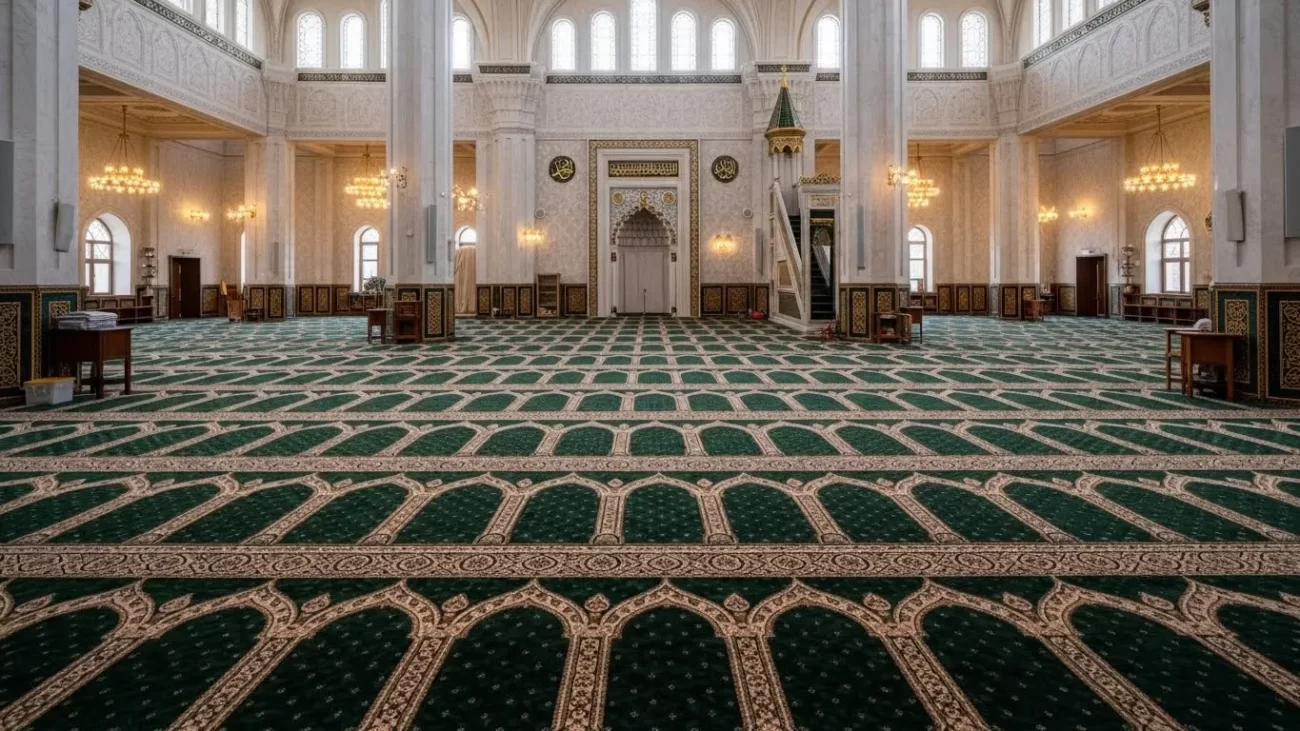
This is the quintessential location for the Masjid Mihrab. It must be positioned centrally on the Qibla Wall and serve as the most magnificent architectural feature in the entire mosque. Its design often dictates the style for all other decorative elements, including the Minbar (pulpit) and Kürsü (lectern). The Mihrab here should be crafted from premium materials (marble or high-end tiling) to reflect its spiritual importance.
Harmonizing with the Minbar
The Mihrab and the Minbar are almost always placed side-by-side. Our design service ensures that both structures—though functionally distinct—share a cohesive style, material palette, and ornamental language.
2. Women’s Prayer Area (Musalla An-Nisa)
Women’s Prayer Area: – Qibla Marker and Intimacy
Mihrab as a Directional Marker
Depending on the layout, the women’s section may either share a direct view of the main Mihrab or have its own, smaller Masjid Mihrab placed on its dedicated Qibla Wall. This secondary Mihrab serves primarily as a Directional Marker and a visual reference, often executed in a lighter, simpler material like wood or decorative plaster to create a more intimate atmosphere.
Scale and Softening the Focus
In this area, the focus is generally softer, using lighter materials and less pronounced features to avoid overshadowing the primary function of prayer and reflection.
3. Small Community Prayer Rooms (Masjid or Musalla)
Community Prayer Rooms: – Simplicity and Functionality
Cost-Effective and Functional Mihrabs
Smaller community prayer rooms or Mescids require a Mihrab that is both cost-effective and highly functional. Here, Masjid Mihrab | Masjid Direct often recommends prefabricated, high-quality MDF or GRP (Glass Reinforced Plastic) Mihrabs. These materials allow for intricate, factory-finished designs—including calligraphy and arches—while significantly reducing the cost and installation time compared to marble.
Clear Direction and Durability
The focus remains on clear Qibla direction and a durable finish that can withstand a busy community environment.
4. Private or Executive Prayer Spaces
Private Prayer Spaces: Architectural Embellishment
Decorative Mihrab Motifs
In executive offices, VIP lounges, or private homes with a designated prayer room, a Masjid Mihrab is used more as a decorative, symbolic archway. These are often small, highly decorative Mihrab-themed wall panels or custom wooden niches featuring Ayah (Qur’anic verses) and intricate geometric patterns, seamlessly integrating the prayer direction into the high-end interior design.
Custom Sizing and Material Blends
These designs are fully customizable in terms of size and can incorporate precious materials or unique blends to match the client’s luxury interior aesthetic.

Usage Examples: Customizing the Masjid Mihrab | Masjid Direct Design
Every mosque possesses a unique spirit and history. The following examples demonstrate how Masjid Mihrab | Masjid Direct tailors its Mihrab solutions to diverse architectural and community requirements.
Usage Example 1: The Grand Neo-Classical Mosque
Grand Neo-Classical Mosque: – The Zenith of Marble Craftsmanship
Material & Finish: Multi-Tonal Marble Mosaic
The design features a magnificent, multi-layered Marble Mihrab. We utilize different tones of polished marble—such as white Carrara for the main niche and green Onyx for the framing columns—to create depth. The Kavsara (niche) is topped with a finely carved Muqarnas structure, all executed on a CNC machine for precision, then hand-finished by master stonemasons.
Design Focus: Elaborate Thuluth Calligraphy
The rectangular frame features an extensive border of verses in the flowing Thuluth script, carved deep into the marble and possibly inlaid with gold leaf or a contrasting dark marble to maximize visibility and impact, reinforcing the grandeur of the main hall.
Usage Example 2: The Modern, Minimalist Islamic Center
Modern, Minimalist Islamic Center: – Simplicity and Illumination
Material & Finish: Smooth Plaster and Concealed Lighting
The Mihrab is created as a simple, unadorned, deep recession in the Qibla Wall, using smooth, light-coloured Stucco Plaster or a solid surface material like Corian. The lack of ornamentation adheres to a contemporary, minimalist aesthetic. Concealed LED strip lighting is integrated within the arch’s perimeter to emphasize the direction of prayer through illumination, giving the niche a soft, ethereal glow.
Design Focus: Single Line Kufic Inscription
A single, bold line of modern Kufic script calligraphy, representing the Shahada (declaration of faith), is placed above the arch, serving as the sole decorative element and providing a clear, powerful focal point without visual clutter.
Usage Example 3: The Traditional Turkish/Ottoman Mosque
Traditional Turkish/Ottoman Mosque: – The Splendour of Iznik Tiles
Material & Finish: Hand-Cut Iznik Tile MosaicThis requires a Mihrab that is a masterpiece of ceramic art. The entire structure is clad in custom-designed, hand-cut Iznik Tiles in the traditional palette of cobalt blue, turquoise, and coral red. The niche uses a dome or semi-dome composition, with the intricate Hatayi (floral) and geometric patterns woven seamlessly across the curved surface.
Design Focus: Symbolic Floral Motifs and ArabesqueThe design is rich in Arabesque patterns, with the border featuring Qur’anic verses in the classic Thuluth script, creating a dazzling, luminous effect that recalls the architectural zenith of the Ottoman Empire.
Usage Example 4: The Budget-Conscious Mescid Renovation
Budget-Conscious Mescid Renovation: – High-Quality Prefabrication
Material & Finish: Custom MDF with Walnut Veneer
For renovations where time and budget are constrained, a custom-designed MDF Mihrab with a premium Walnut Veneer finish is ideal. The material is lightweight, allowing for faster installation, and the CNC-cut detailing provides the appearance of deep, high-end wood carving, especially for the intricate columns and arches.
Design Focus: Integrated Kürsü (Lectern)
The Mihrab is designed to integrate a matching Kürsü or small storage cabinet at its base or side, maximizing the functionality of the main prayer area while maintaining a cohesive, professional aesthetic.
Masjid Mihrab (FAQs): Guidance for Your Project
The complexity and spiritual importance of the Masjid Mihrab often lead to several key questions for mosque committees. Here are the authoritative answers from Masjid Mihrab | Masjid Direct.
1. Is the Mihrab a necessity in a mosque according to Islamic law?
Functional but Not Absolutely Mandatory
The concave Mihrab niche is not explicitly mandated in the Qur’an or Sunnah (Prophet’s tradition), but it is a universally adopted architectural feature and a highly recommended practice (Sunnah) based on historical consensus. Its primary function—to clearly delineate the Qibla for a large congregation—is essential. The earliest mosques used simple markers, but the elaborate, concave Mihrab has become the accepted, superior method for establishing the prayer direction and serving as the Imam’s standing place.
3. How long does it take to manufacture and install a custom marble Mihrab?
Production and Installation Timeline
The timeline depends heavily on the material and complexity. A highly intricate, custom Marble or Tile Mihrab requires a significant period for design, sourcing, cutting, and hand-finishing, typically taking 10 to 16 weeks for manufacturing. Installation by the Masjid Mihrab | Masjid Direct professional crew on-site generally takes an additional 3 to 7 days, depending on the size and required finishing work. Simpler MDF or GRP models have a much shorter turnaround time.
4. How is the Qibla direction verified during installation?
Geospatial and Local Verification
We employ a rigorous, two-step verification process. First, our engineers use GPS and advanced digital tools (like a high-precision Qibla compass app or Google’s Qibla Finder) to calculate the exact Qibla angle for the mosque’s geographical coordinates. Second, our on-site team uses laser levels and precise measurements to transpose this angle onto the Qibla Wall to ensure the Mihrab is installed with absolute directional accuracy, eliminating any margin of error.
5. Can a Mihrab design be incorporated into a flat wall without a niche?
Decorative or Architectural Relief Mihrabs
Yes, especially in spaces where structural changes are not possible. We can create a Decorative or Architectural Relief Mihrab. This involves using finely crafted wood panels, carved stone veneer, or decorative plaster to build a shallow, raised frame or archway on the wall surface. This design maintains the spiritual and visual function of the Masjid Mihrab while accommodating the structural limitations of the building.
6. What other central mosque features does Masjid Direct provide alongside the Mihrab?
Complete Qibla Wall Ensemble Solutions
Masjid Direct specializes in the entire Qibla Wall ensemble. In addition to the Masjid Mihrab, we design, manufacture, and install matching Minbars (pulpits), Kürsüs (lecterns), custom Masjid Carpet (with Saff lines), and specialized Acoustic Panelling to ensure a cohesive, functional, and aesthetically integrated sacred space.
The Qibla Guide: Final Summary
The Masjid Mihrab | Masjid Direct is a testament to the enduring beauty and functional necessity of Islamic architecture. It serves as the most potent symbol of unity and direction in prayer, a visual symphony of craftsmanship, calligraphy, and historical tradition. By choosing a custom-engineered Mihrab from our collection, your institution is not merely purchasing a piece of furniture; you are investing in a profound spiritual guidepost that will enrich the devotional experience of your community for generations.