

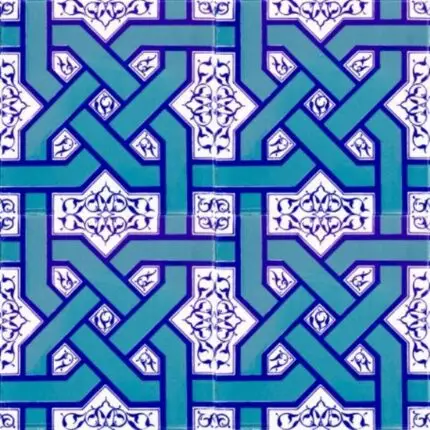
Masjid Tiles | Masjid Direct provides comprehensive, bespoke tiling solutions that define the aesthetic and functional integrity of Islamic architecture. Tiling in a mosque is far more than a simple covering; it is a canvas for spiritual expression, reflecting centuries of rich artistic tradition, while simultaneously providing a durable, safe, and easily maintainable surface for worship. From the high-gloss, intricate patterns of the Mihrab to the slip-resistant surfaces of the Wudu area, the choice of tile affects every aspect of the mosque experience.
At Masjid Tiles | Masjid Direct, our corporate mission is to marry this traditional artistry—often inspired by the zenith of Ottoman Iznik or Moroccan Zellij tilework—with modern material science. We ensure every tile, whether ceramic, porcelain, or natural stone, meets the rigorous demands of a high-traffic place of worship. This detailed article explores the history, specialized features, diverse applications, and profound spiritual meaning embedded in Masjid Tiles, demonstrating why our solutions are the definitive choice for Masjids seeking authenticity, quality, and lasting beauty.
Masjid Tiles About: Heritage, Symbolism, and Function
The history of Masjid Tiles is intrinsically linked with the evolution of Islamic art and architecture. The use of elaborate, glazed tilework emerged as a major decorative form across the Islamic world from the 9th century onward, flourishing particularly in regions like Persia (Iran), Anatolia (Turkey), and North Africa (Morocco and Spain). This art form was driven by a core Islamic principle: the avoidance of figurative representation, which led to the masterful development of non-representational art—specifically Geometric Patterns and Calligraphy.
Symbolically, Masjid Tiles transform mundane surfaces into visual metaphors for the divine. The complex, interlocking geometric designs (Girih) represent the infinite nature of Allah and the underlying order and unity of creation, seamlessly extending beyond the physical confines of the walls. Calligraphic tiles feature Qur’anic verses or the names of Allah and the Prophet, turning the mosque’s walls into surfaces of perpetual remembrance and devotion (Dhikr). Furthermore, floral motifs (Arabesque or Hatayi), particularly in the Ottoman tradition, evoke the imagery of Paradise (Jannah), creating a tranquil and spiritually elevating environment for worshippers.
Functionally, tiles are indispensable. They provide a surface that is easy to clean, impervious to water (especially crucial in Wudu and restroom areas), and capable of withstanding the heavy foot traffic of a busy prayer hall. The right choice of Masjid Tiles | Masjid Direct ensures the structural longevity of the building while upholding its spiritual dignity. Our curated collections honour this heritage, providing durable, breathtaking designs that serve both a profound spiritual purpose and a necessary practical function.
Masjid Tiles Details: Types, Techniques, and Design Philosophy
The selection and application of Masjid Tiles requires a sophisticated understanding of both aesthetic tradition and material engineering. At Masjid Tiles | Masjid Direct, we categorize our offerings based on material, manufacturing technique, and historical style to ensure the perfect fit for every architectural requirement.
I. Material and Manufacturing Techniques
1. Ceramic and Porcelain Tiles: The Modern Workhorse
Ceramic and porcelain are the foundation of many contemporary mosque installations due to their exceptional durability and versatility.
- Porcelain: Highly dense, non-porous, and ideal for Masjid Floor Tiles in high-traffic areas and wet zones like the Wudu area. Its low water absorption rate makes it frost-resistant for exterior applications, too.
- Glazed Ceramic: Used extensively for Masjid Wall Tiles, offering a vibrant colour palette and a high-gloss finish that facilitates intricate designs and is easy to clean.
2. Traditional Hand-Painted (Underglaze) Tiles: The Iznik Legacy
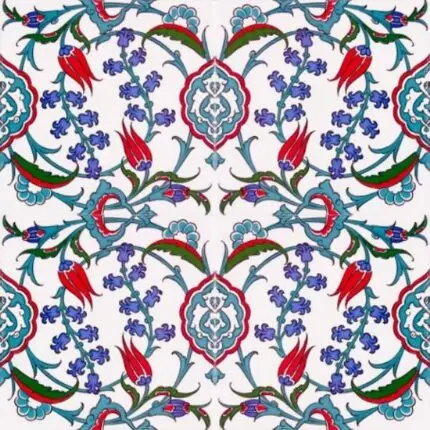
- Iznik Tiles: Representing the pinnacle of Ottoman ceramic art (16th-17th centuries), Iznik tiles are characterized by their quartz-heavy body and vibrant colour palette, most famously including cobalt blue, turquoise, emerald green, and the distinctive Armenian bole (raised coral red). They are painted under a clear glaze (Underglaze Painted) to protect the intricate Floral and Calligraphic Motifs. Masjid Tiles | Masjid Direct offers modern reproductions that replicate the aesthetic, spiritual depth, and durability of the originals.
3. Geometric Mosaics (Zellij or Kashi): The Art of the Cut
- Zellij: Originating in Morocco and Spain, Zellij is a mosaic technique using small, hand-cut, glazed geometric tiles (tesserae), often in complex star or lattice patterns. This technique emphasizes the infinite geometric flow, demanding extreme precision in both cutting and installation. The result is a stunning, three-dimensional texture on the walls.
4. Natural Stone Tiles: Enduring Elegance
- Marble and Granite: Often used for skirting, pillars, and the perimeter of the main hall floor. They offer an unmatched sense of permanence and purity, particularly important in the transition spaces leading to the Mihrab.
II. Design Philosophy: The Three Pillars of Islamic Art
The ornamentation on Masjid Tiles follows three primary interconnected artistic conventions:
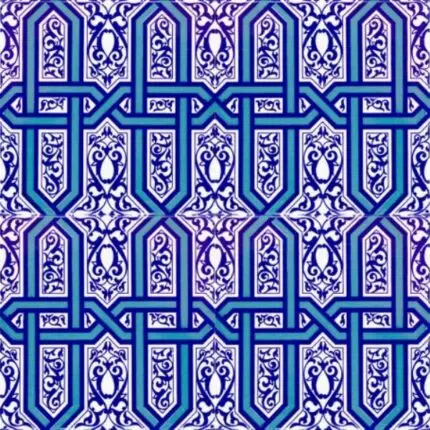
- Islamic Geometry (Girih): The systematic use of complex, repeating geometric patterns (stars, polygons, rosettes). This serves as a spiritual meditative aid, signifying the unity and infinite repetition in God’s creation. The patterns are designed to be non-centric, suggesting they extend infinitely beyond the wall’s edge.
- Calligraphy: Considered the highest form of Islamic visual art. Verses from the Qur’an, Hadith, or the Names of Allah are rendered in beautiful scripts (Thuluth, Kufic, Naskh) and integrated into tile panels. A popular choice for Masjid Tiles | Masjid Direct is the Ayat al-Kursi (Verse of the Throne) for large wall panels or domes.
- Arabesque (Rumi and Hatayi): Intricate interweaving of stylized vegetative forms (leaves, vines, flowers like tulips, carnations, and hyacinths). These patterns symbolize the beauty and abundance of the gardens of Paradise, complementing the geometric rigour with organic fluidity.
III. The Functional Aesthetics of Masjid Tiles | Masjid Direct
The aesthetic decisions are always balanced with functional requirements:
- Slip Resistance: Floor tiles, especially in entrances and Wudu areas, must have a high Co-efficient of Friction (CoF) rating to ensure safety when wet, a non-negotiable feature we prioritize.
- Thermal Mass: Stone and dense porcelain tiles contribute to the mosque’s cooling, an important consideration in warmer climates.
- Light Reflection: The high-gloss glaze on traditional wall tiles maximizes the available light, subtly brightening the vast interiors of the mosque.
This multi-faceted approach ensures that our Masjid Tiles are not just visually spectacular but are engineered to meet the highest standards of safety, durability, and spiritual integrity, making them worthy components of a sacred space. The commitment to preserving traditional aesthetics while employing cutting-edge techniques is the hallmark of Masjid Tiles | Masjid Direct.
Masjid Tiles Özellikleri: Safety, Durability, and Maintenance
The distinguishing features of high-quality Masjid Tiles go far beyond mere appearance. They must be engineered to withstand a unique combination of spiritual and physical demands, which is why Masjid Tiles | Masjid Direct prioritizes the following critical characteristics:
1. High-Performance Durability
Durability and Traffic Resistance: Engineered for Perpetual Use
PEI Rating and Structural Integrity
Masjid prayer halls endure immense foot traffic multiple times daily. Our floor tiles are selected based on a high PEI (Porcelain Enamel Institute) Rating, typically PEI 4 or 5, indicating superior resistance to abrasion and wear. This structural integrity ensures the vibrant patterns and finishes will not fade or wear down, maintaining the mosque’s beauty for decades.
2. Slip-Resistant Technology
Safety First: Essential for Wet and Dry Areas
High CoF for Wudu and Entrance Halls
Safety is paramount, especially in areas subjected to ritual water cleansing (Wudu). Masjid Tiles | Masjid Direct floor products for these zones feature a high Co-efficient of Friction (CoF) rating, ensuring excellent slip resistance even when fully wet. This critical feature prevents accidents and is a non-negotiable safety standard for all our installations.
3. Ease of Cleaning and Hygiene
Hygiene and Maintenance: Upholding Purity
Due to the nature of ritual cleanliness in Islam, surfaces must be easy to clean. Our glazed ceramic and non-porous porcelain tiles are resistant to water staining, mould, and mildew. Their low porosity means they are easy to sanitize and require only routine washing, upholding the necessary standards of purity (Taharah) within the sacred space.
4. Customization and Architectural Fit
Architectural Integration: Bespoke Design and Fit
We offer custom-sized and cut tiles to fit unique architectural elements like domes, archways, and the Masjid Mihrab niche. This customization ensures that the intricate geometric and calligraphic designs flow continuously across complex surfaces, a hallmark of master Islamic tilework. Masjid Tiles | Masjid Direct are tailored to integrate perfectly with surrounding materials such as marble or wood paneling.
Masjid Tiles: Application Across the Mosque Complex
Masjid Tiles are employed throughout the mosque complex, with the specific material and design changing based on the area’s function and spiritual importance. Masjid Tiles | Masjid Direct provides specialized solutions for each zone.
1. The Qibla Wall and Mihrab
Qibla Wall Focus: – The Spiritual and Visual Apex
Ornamental Tile Panels and Calligraphy
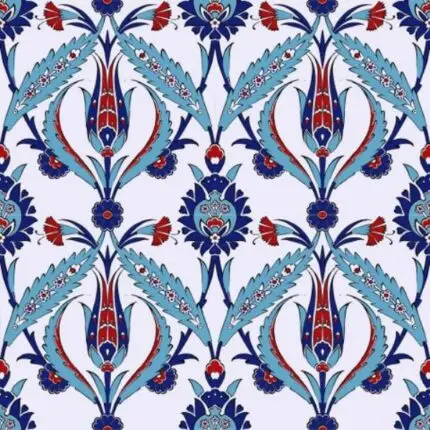
The Qibla Wall is the most significant and decorated surface in the mosque. Tiles here are purely ornamental, often featuring large-format Iznik-style ceramic panels or intricate Zellij mosaics. The focus is on displaying large-scale Calligraphy (Qur’anic verses) and complex, non-repeating floral patterns. The Mihrab niche itself is typically tiled to create a magnificent, visually distinct focal point, often using a higher concentration of the most precious materials and designs.
High-Gloss Finish for Light Reflection
A high-gloss finish is crucial here to maximize the reflection of light, drawing the worshipper’s eye toward the direction of the Qibla.
2. The Main Prayer Hall (Musalla) Floor
Musalla Flooring: Durability and Aesthetic Foundation
Porcelain Tiles for High Traffic
While carpets typically cover the Musalla floor, the perimeter, walkways, and areas adjacent to the Qibla Wall often utilize robust, highly durable, large-format Porcelain Floor Tiles. These tiles must be resistant to heavy compression from racks and furniture and capable of withstanding constant foot traffic.
Neutral Tones and Subtle Patterns
The colours in this area are generally neutral (beige, grey, or light stone) with subtle geometric patterns to provide a tranquil backdrop that does not distract from the main focus of the Mihrab and the act of prayer.
3. The Ablution Area (Wudu Khana)
Wudu Khana: Waterproofing and Maximum Safety
Small-Format, Slip-Resistant Ceramic Tiles
The Wudu area requires a highly functional tiling solution. We utilize small-format Ceramic Tiles for both floors and walls, as smaller tiles mean more grout lines, which significantly increases slip resistance. The tiles are fully vitrified and impervious to water. Wall tiles here are typically light in colour (blue, green, or white) to promote a sense of cleanliness and hygiene.
Seamless Drainage Integration
Effective tiling in the Wudu area is also about the precision of the installation, ensuring a perfect slope toward the drainage system for rapid water removal.
4. Exterior Facades and Courtyards
Exterior Cladding: Weather Resistance and Grandeur
Terracotta or Custom Glazed Exterior Tiles
Exterior Masjid Tiles must be fully frost-resistant and UV stable. Large terracotta panels or custom-glazed porcelain tiles are used to clad minarets, domes, and facades. These tiles often feature striking geometric or stylized calligraphic patterns visible from a distance, contributing to the mosque’s imposing, public grandeur.
Protection Against the Elements
Our exterior tiles provide a durable barrier, protecting the building’s structure from harsh weather conditions and ensuring the aesthetic remains vibrant for decades.
Usage Examples: Customizing the Masjid Tiles | Masjid Direct Experience
The following examples showcase the specialized application of Masjid Tiles | Masjid Direct solutions to achieve distinct architectural and functional goals for various mosque projects.
Usage Example 1: The Grand Ottoman Revival Mosque
Ottoman Revival Mosque: – Iznik Splendour on the Qibla Wall
Tile Selection & Finish: Custom Iznik Reproduction Panels
For a large-scale Ottoman-style mosque, we deploy custom-made, hand-painted Iznik Reproduction Tiles. Large rectangular panels are created to fit the exact dimensions of the Qibla Wall, featuring the classic Floral motifs (tulips, hyacinths) in the signature cobalt blue, turquoise, and coral red. A key focus is a central tile panel featuring the names of Allah and Muhammad in flowing Thuluth calligraphy.
Design Focus: Seamless Calligraphy Flow
The manufacturing process ensures the calligraphy flows seamlessly across multiple tiles, preventing breaks in the inscription, thereby upholding the sacred integrity of the text and creating a truly awe-inspiring visual effect.
Usage Example 2: The Contemporary Community Center
Contemporary Community Center: – Minimalist Safety and Light
Tile Selection & Finish: Large-Format Textured Porcelain
In a modern, minimalist mosque design, the floor requires Large-Format Textured Porcelain Tiles (80x80cm or larger) in a matte grey or light beige. The Texture is key to achieving a high CoF rating, providing essential slip resistance while keeping a clean, uninterrupted visual flow across the Musalla perimeter and main lobbies.
Design Focus: Subtle Geometric Inlay
Instead of wall mosaics, a subtle decorative feature is created using Water-Jet Cut Geometric Inlay in a contrasting dark porcelain tile, inlaid into the main floor tile at the entrance to symbolically mark the transition into the sacred space.
Usage Example 3: The North African Style Ribat (Fortified Mosque)
North African Ribat Mosque: – The Craft of Zellij Mosaic
Tile Selection & Finish: Hand-Cut Zellij Earthenware Tiles
The design incorporates authentic, vibrant Hand-Cut Zellij Mosaics for the main courtyard fountain walls and exterior archways. These small, meticulously cut earthenware tiles are assembled into dazzling, complex Star and Octagonal Geometric Patterns using a traditional mortar base, resulting in a rich, textured surface that reflects the historical aesthetics of Moroccan and Andalusian architecture.
Design Focus: Durable Water Feature Cladding
The density and impermeability of the Zellij tiles make them exceptionally suitable for water features, ensuring the aesthetic and functional durability of the Sahn (courtyard) fountain against continuous moisture and sun exposure.
Usage Example 4: Renovation of Wudu Facilities
Wudu Facility Renovation: Functional and Hygienic Tiling
Tile Selection & Finish: Anti-Bacterial Glazed Ceramic
For a full Wudu facility renovation, the focus is strictly on hygiene and safety. We utilize Small, Anti-Bacterial Glazed Ceramic Tiles (10x10cm or 15x15cm) on the floor and walls. The size ensures maximum grout lines for slip resistance, and the anti-bacterial glaze inhibits the growth of mould and fungi, a crucial feature for maintaining ritual purity.
Design Focus: Clear Directional Skirting
A distinct Dark-Toned Skirting Tile is installed around the floor and wall junctions to clearly delineate the wet zone and protect the lower walls from splashing, adding a practical and durable finish to the area.
Masjid Tiles (FAQs): Design, Installation, and Care
The planning and execution of tiling for a sacred space prompt several critical questions. Masjid Tiles | Masjid Direct provides clear guidance on the common queries faced by mosque committees.
1. What is the difference between Iznik and Zellij tiles for a Masjid?
Style, Technique, and Origin
The key difference lies in technique and origin. Iznik tiles (Ottoman, Turkey) are typically square or rectangular large ceramic panels that are underglaze painted with defined, flowing floral (Hatayi) or calligraphic designs. Zellij tiles (Moroccan/North African) are small, hand-cut geometric pieces of glazed terracotta that are meticulously assembled like a jigsaw puzzle to create intricate, infinite geometric mosaics on the wall surface. Both are highly decorative and spiritually significant, but Iznik offers a cleaner, more pictorial surface, while Zellij offers a rich, textured geometric field.
2. Are floor tiles acceptable in the main prayer area (Musalla)?
Practicality and Use with Carpeting
Yes, highly durable porcelain or natural stone tiles are commonly used for the flooring in the Musalla. While the prayer lines (Saff) are usually marked and cushioned by Masjid Carpet—which is the main prayer surface—the underlying tiles provide a stable, level, and cool foundation. They are also essential for the perimeter, walkways, and areas not covered by carpet, offering a hygienic and easily maintainable surface for all areas of the hall.
freeze-thaw cycles. Furthermore, the glazes are UV-stable, preventing colour fade from intense sunlight, ensuring the facade remains vibrant and structurally sound against all elements.
4. Can you incorporate a custom calligraphic verse into a tile panel design?
Bespoke Calligraphy Integration
Absolutely. This is one of our core specialized services. We work with master calligraphers to custom-design any Qur’anic verse or Hadith in your preferred script. This design is then digitized and transferred to the tile through either traditional hand-painting methods (for Iznik styles) or precision digital printing and glazing (for contemporary ceramic panels). This process ensures the text is both spiritually accurate and artistically magnificent.
5. What are LSI-optimized tiles, and why should a mosque choose them?
The Importance of Aesthetic Cohesion
While LSI (Latent Semantic Indexing) is an SEO concept, the principle of semantic cohesion applies directly to mosque design. LSI tiles refer to our collection designed to share aesthetic, colour, and pattern elements with other key features like the Masjid Mihrab | Masjid Direct , Minbar, or lighting fixtures. Choosing a thematically unified tile set ensures that all elements of the mosque speak the same architectural and artistic language, creating a harmonious and unified sacred space that enhances the sense of tranquility and focus during prayer.
6. What is the required prep work on the walls before installing ornamental tiles?
Surface Preparation for Flawless Tiling
Flawless installation requires impeccable surface preparation. The substrate must be perfectly level, dry, and clean. For highly decorative mosaics or Iznik panels, we recommend a robust, moisture-resistant backer board and a precise chalk line grid to ensure patterns align perfectly. For Wudu areas, a commercial-grade waterproofing membrane must be applied to the substrate before tiling to prevent any water seepage.
The Canvas of Devotion
Masjid Tiles | Masjid Direct delivers the perfect blend of timeless spiritual art and uncompromising modern durability. Our tiles are engineered to transform a mosque from a mere building into a breathtaking sanctuary—a place where the faithful find guidance, purity, and aesthetic serenity. By choosing our specialized tiling solutions, your mosque secures a legacy of beauty, safety, and hygiene that honours the rich tradition of Islamic craftsmanship while serving the community for generations to come.