


About Transforming Your Mosque: The Ultimate Guide to Masjid Carpet and Interior Design
The mosque, or masjid, is more than just a building; it is a sanctuary, a place of peace, and a spiritual home for the Muslim community. The interior design of a mosque, particularly the prayer hall, plays a crucial role in creating an atmosphere of tranquility and devotion. The centerpiece of this design is almost always the carpet. A well-chosen carpet not only provides a clean, soft surface for prayer but also contributes significantly to the overall aesthetic and spiritual ambiance of the space. It can reflect the cultural heritage of the community, incorporate intricate geometric patterns, and create a sense of unity and direction for worshippers.
This guide, Transforming Your Mosque: The Ultimate Guide to Masjid Carpet and Interior Design | Masjid Direct, serves as a comprehensive resource for mosque committees, architects, and designers seeking to enhance their sacred space. It delves into the various aspects of selecting, installing, and maintaining mosque carpets, and explores how interior design elements can be used to create a harmonious and inspiring environment. From the types of materials and their durability to the symbolic meanings of patterns and colors, this guide covers everything you need to know to make informed decisions. It emphasizes the importance of quality, aesthetics, and functionality, ensuring that your masjid becomes a true beacon of light and spiritual comfort for all who enter.
The process of transforming a mosque is a journey that requires careful planning and a deep understanding of the needs of the community. This guide will walk you through each step, from initial conceptualization to the final installation. We believe that a beautiful and well-designed masjid can inspire greater faith and devotion, and our goal is to provide the knowledge and tools necessary to achieve that vision. The information presented here is based on years of experience and expertise in the field, ensuring that you receive the most accurate and practical advice. We will explore how different design choices can impact acoustics, light, and the overall feel of the prayer hall.
Furthermore, this guide is not just for new mosques; it is also highly relevant for existing masjids looking to renovate or upgrade their interiors. We understand the challenges and considerations involved in such projects, and our advice is tailored to help you navigate them successfully. We will discuss budget management, project timelines, and how to work with professional designers and suppliers. Ultimately, Transforming Your Mosque: The Ultimate Guide to Masjid Carpet and Interior Design | Masjid Direct is designed to empower you to create a sacred space that is both beautiful and functional, a place where the community can gather in peace and unity.
Details of Transforming Your Mosque: The Ultimate Guide to Masjid Carpet and Interior Design
The journey of Transforming Your Mosque: The Ultimate Guide to Masjid Carpet and Interior Design | Masjid Direct begins with a deep dive into the specifics of selecting the right flooring and interior elements. The details are what truly make a space feel complete and harmonious. When it comes to masjid carpets, the choice is far from simple. It’s not just about color and pattern; it’s about material, pile height, density, and backing. For instance, wool is a popular choice for its natural durability, resilience, and luxurious feel, while synthetic materials like nylon or polypropylene offer excellent stain resistance and affordability. Each material has its own set of pros and cons that must be weighed against the specific needs of the mosque, including foot traffic, maintenance capacity, and budget.
Understanding Masjid Carpet Specifications
The technical specifications of a carpet are paramount. Pile height affects the comfort underfoot and the carpet’s ability to retain its shape. A higher pile can be more comfortable for prostration but may flatten over time in high-traffic areas. Conversely, a shorter, denser pile offers greater resilience and ease of cleaning. Pile density, or the number of fibers per square inch, is a key indicator of quality. A denser carpet will be more durable and less prone to showing wear. Carpet backing also plays a critical role in longevity and stability. High-quality backing prevents the carpet from stretching or wrinkling, which is especially important in a prayer hall where worshippers line up in straight rows. The directional rows woven into many mosque carpets, often indicated by a distinct line or pattern, are essential for ensuring that worshippers align correctly, reinforcing the sense of unity and discipline during prayer.
The Art of Pattern and Color Selection
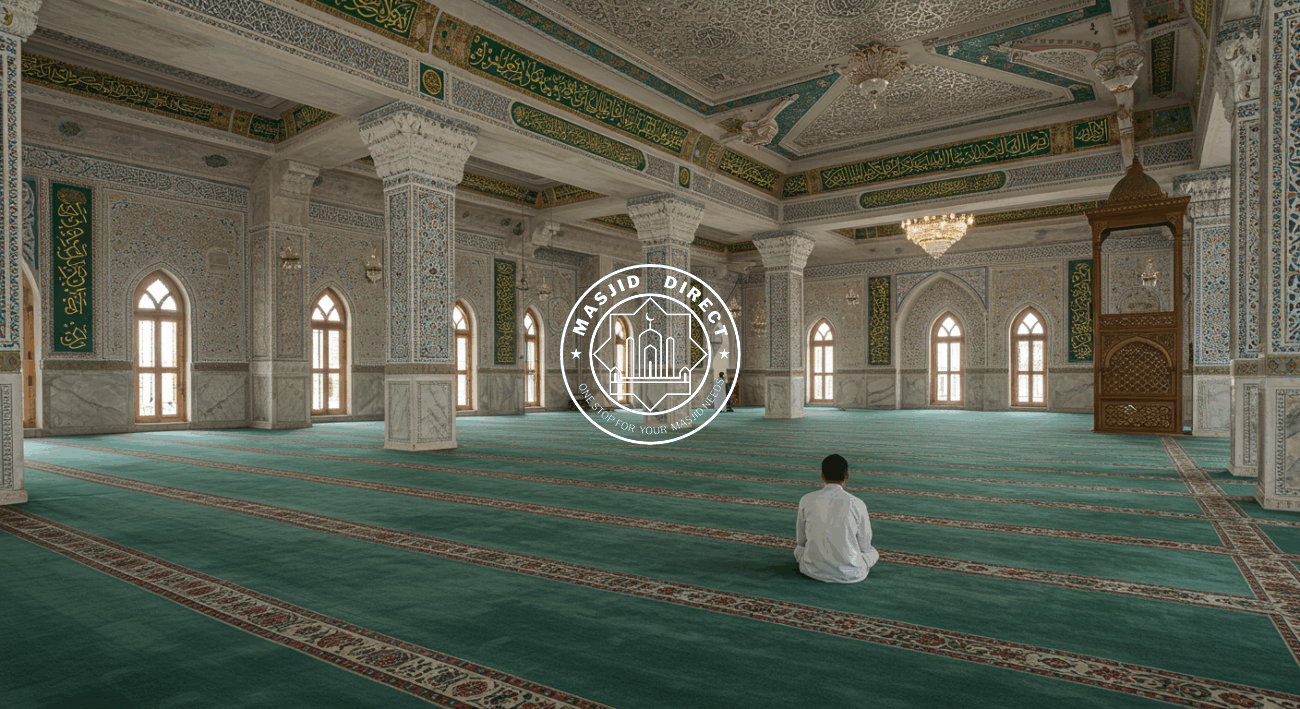
The visual details are equally important. The patterns and colors chosen for a masjid carpet can have a profound impact on the atmosphere. Traditional Islamic patterns, such as geometric shapes, arabesques, and intricate floral motifs, are often preferred for their deep spiritual and historical significance. These patterns can guide the eyes and create a sense of order. The color palette should be calming and conducive to prayer. Cool tones like blues and greens are often associated with peace and nature, while warmer colors like reds and golds can evoke feelings of warmth and spirituality. The pattern can also incorporate prayer lines, a crucial feature that helps worshippers form straight, organized rows for communal prayer. This is a functional detail that is seamlessly integrated into the design, making it both beautiful and practical.
Integrating Interior Design Elements
The carpet is the foundation, but the rest of the interior design elements must complement it. This includes everything from the lighting to the wall coverings and the mihrab, the niche that indicates the qibla (direction of prayer). Proper lighting is essential for visibility and to highlight the beauty of the interior. Soft, warm lighting can create a more intimate and peaceful setting, while brighter, natural light can open up the space. The materials used for walls and ceilings, such as wood, marble, or decorative plasterwork, should harmonize with the carpet. The mihrab itself is often a focal point, and its design can be a masterpiece of craftsmanship, with intricate carvings, calligraphy, or tile work. These elements, when chosen and arranged with care, create a cohesive and inspiring environment that supports the spiritual practice of the community.
Acoustics and Sound Management
A detail often overlooked is acoustics. The right materials can significantly improve the sound quality within the mosque, making the Imam’s voice clearer and enhancing the overall experience of listening to the Quran. The carpet itself absorbs sound, reducing echo and reverberation. Other elements like sound-absorbing panels or specially designed architectural features can be integrated to further improve acoustics. This ensures that every word of the prayer is heard clearly and without distortion, a vital aspect of communal worship. The right design can make the space feel both grand and intimate, a balance that is crucial for a mosque.
Choosing the Right Partner
Finally, the success of the project hinges on choosing the right partner. A company with a deep understanding of the unique needs of a masjid, like Masjid Direct, can provide invaluable guidance. They can help navigate the complexities of design, manufacturing, and installation, ensuring that the final product not only meets but exceeds expectations. Their expertise in customizing designs to fit specific architectural layouts and their commitment to quality materials and craftsmanship are essential for a successful Transforming Your Mosque: The Ultimate Guide to Masjid Carpet and Interior Design | Masjid Direct project.
Features of Transforming Your Mosque: The Ultimate Guide to Masjid Carpet and Interior Design
The features outlined in Transforming Your Mosque: The Ultimate Guide to Masjid Carpet and Interior Design | Masjid Direct are designed to provide a complete and holistic approach to masjid renovation and design. These features go beyond a simple product catalog and instead offer a comprehensive service that covers every stage of the process. One of the most important features is the emphasis on customization. Every mosque is unique, with its own architectural style, community needs, and spiritual identity. This guide highlights the importance of creating a tailored solution, from custom carpet patterns that reflect local culture to unique interior designs that maximize the use of the space. Customization ensures that the final result is a true reflection of the community it serves.
Another key feature is the integration of technology. Modern techniques in design and manufacturing allow for the creation of intricate patterns and precise installations that were not possible in the past. This includes the use of computer-aided design (CAD) to create 3D models of the prayer hall, allowing committees to visualize the final result before production even begins. This technology also allows for perfect pattern matching and alignment, even in irregularly shaped spaces. The guide also details the use of high-tech materials that offer enhanced durability, stain resistance, and fire safety, ensuring that the investment in the mosque’s interior is a long-lasting one.
A crucial aspect is the focus on durability and maintenance. A mosque is a high-traffic area, and its interior must be able to withstand constant use. The guide provides detailed information on the best materials and manufacturing techniques to ensure longevity. It also offers advice on maintenance, from daily cleaning routines to long-term care plans. This focus on practicality ensures that the beauty of the design is preserved for years to come. The guide also features an extensive section on project management. It provides a clear roadmap for mosque committees, covering everything from budget planning and fundraising to working with suppliers and managing installation timelines. This feature is particularly valuable for volunteers who may be new to managing large-scale projects.
Finally, the guide emphasizes the spiritual and aesthetic value of the design process. It’s not just about a beautiful space; it’s about creating an environment that fosters a deeper connection with Allah. The features discussed, from the calming color palettes to the meaningful patterns, are all chosen with this ultimate goal in mind. By providing a framework for thoughtful and purposeful design, Transforming Your Mosque: The Ultimate Guide to Masjid Carpet and Interior Design | Masjid Direct empowers communities to create a sacred space that truly inspires.
Areas of Transforming Your Mosque: The Ultimate Guide to Masjid Carpet and Interior Design
The principles and techniques outlined in Transforming Your Mosque: The Ultimate Guide to Masjid Carpet and Interior Design | Masjid Direct are applicable to various areas within and around a mosque. While the prayer hall is the primary focus, the design philosophy can be extended to other spaces to create a cohesive and welcoming environment.
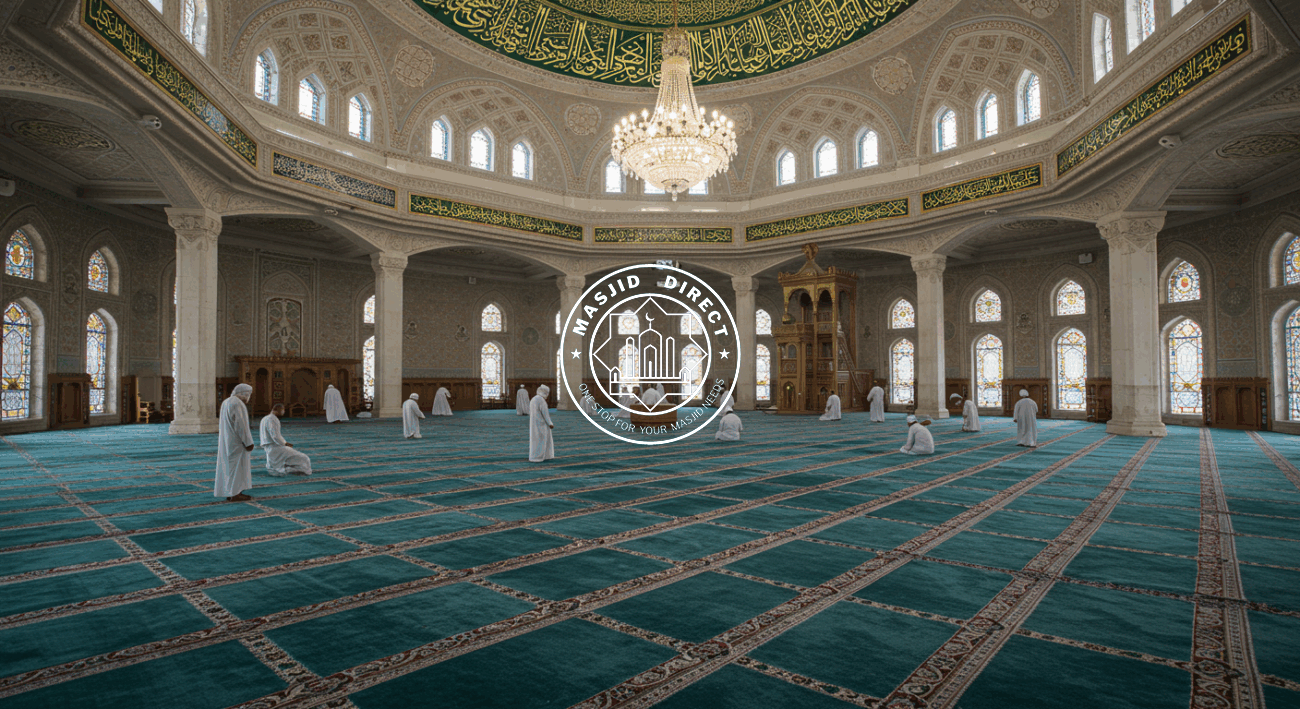
The Main Prayer Hall: The Heart of the Masjid
The main prayer hall is the central area of any mosque and the focus of the community’s spiritual life. The design here must be both functional and aesthetically pleasing.
Carpet Selection for the Prayer Hall
The carpet in the main prayer hall is arguably the most important element. It sets the tone for the entire space and must be durable enough to withstand daily use by hundreds, if not thousands, of worshippers. High-quality materials like wool or high-grade synthetic blends are recommended. The pattern should include clear prayer lines (saf) to help congregants form straight rows.
The Women’s Prayer Area: A Space for Solitude
Many mosques have a separate prayer area for women, which should be designed with the same care and attention as the main hall.
Creating a Serene Environment
The women’s prayer area should be a peaceful and private space. The design can be a mirror of the main hall or have its own distinct character, perhaps with softer colors or patterns. It should be comfortable and well-lit, with adequate ventilation. The carpet should be of the same high quality as the main hall, ensuring comfort during prayer.
The Foyer and Entrance: The First Impression
The foyer and entrance of a mosque are the first areas that visitors encounter. They play a crucial role in making a positive first impression.
Welcoming Design and Durable Flooring
The flooring in the foyer should be durable and easy to clean, as it will experience significant foot traffic. Options like hard-wearing tile or a special entrance matting system can be effective. The design should be welcoming and inviting, with a palette that complements the rest of the mosque’s interior. A well-designed foyer can also include a shoe-rack area that is both functional and aesthetically pleasing.
The Wudu Area (Ablution Room): A Place of Purity
The wudu area is a functional space that must be designed for cleanliness and ease of use.
Hygienic and Safe Flooring
The flooring in the wudu area is critically important. It must be non-slip and water-resistant to prevent accidents. Materials like ceramic or porcelain tile are excellent choices for their durability and hygiene. The design should be simple and easy to maintain, with good drainage and ventilation. A well-designed wudu area reflects the importance of cleanliness in Islam.
Transforming Your Mosque: Practical Application Scenarios
Scenario 1: A Large-Scale Project
For a large urban mosque with a complex, open-plan prayer hall, the installation process requires a strategic, phased approach. The project begins with a detailed laser scan of the entire space to create a precise digital blueprint. This blueprint is used to map out the carpet’s intricate geometric patterns and prayer lines, ensuring perfect alignment around pillars and across large open areas. The carpet is then custom-cut and prepared off-site, which minimizes disruption to daily prayers. The installation team uses specialized power stretchers and seaming tools to create a seamless, wall-to-wall surface, making the final result appear as a single, flawless piece of art.
Scenario 2: A Renovation Project for a Historic Building
In a historic mosque with an old, uneven subfloor and no perfectly straight walls, the installation requires a sensitive and skilled approach. The first step involves a comprehensive subfloor inspection and repair. The installation team takes the time to reinforce weak spots, level uneven surfaces, and ensure the foundation is sound. They then measure the space with a flexible, manual method, accounting for the unique angles and imperfections of the old building. The carpet is cut and installed with great care, with prayer lines subtly adjusted to accommodate the mosque’s natural architecture, preserving its unique character while providing a modern, comfortable surface.
Scenario 3: A Community-Led Effort
For a small, neighborhood mosque with a limited budget, the installation process can be a collaborative effort between professionals and the community. The mosque committee selects a durable, cost-effective carpet. A professional team is hired to handle the technical aspects of the installation, such as precise measurements, subfloor preparation, and expert cutting and stretching. The community’s volunteers take on the preliminary tasks, like removing the old carpet and clearing the space, which significantly reduces the overall cost. This partnership ensures a professional finish while fostering a sense of ownership and community spirit.
Scenario 4: A Modern Multi-Purpose Center
In a contemporary Islamic center that serves multiple functions, the installation is all about versatility and long-term functionality. The main prayer hall is fitted with a high-density, high-quality carpet that is securely installed for comfort and durability. In the adjacent multi-purpose halls and classrooms, the installation team lays down modular carpet tiles. This allows for a flexible and easy-to-maintain solution. If a section of the floor gets damaged from a spill or heavy foot traffic during an event, individual tiles can be replaced quickly and efficiently, without affecting the rest of the flooring.
Transforming Your Mosque: The Ultimate Guide to Masjid Carpet and Interior Design FAQs
This section addresses some of the most common questions that mosque committees and individuals have about the process of transforming a mosque’s interior.
1. How much does a high-quality masjid carpet cost?
The cost of a masjid carpet can vary widely based on several factors, including the material, density, pattern complexity, and the size of the area. Wool carpets are typically more expensive than synthetic ones. Prices can range from $15 per square meter for a basic synthetic carpet to over $100 per square meter for a custom-designed, high-quality wool carpet. It’s essential to get a detailed quote from a reputable supplier like Masjid Direct to get an accurate estimate for your specific project. It’s important to see this as an investment in the long-term comfort and spiritual life of the community.
2. How long does it take to install a new carpet?
The installation time depends on the size and complexity of the project. A standard installation for a small to medium-sized prayer hall can often be completed within a few days. However, for large mosques with intricate layouts or custom-designed carpets, the process can take longer, sometimes up to a week. The manufacturing process for a custom-designed carpet can take several weeks or months. It’s crucial to plan ahead and coordinate with the supplier to minimize disruption to prayer schedules. A detailed project plan is a key part of the Transforming Your Mosque: The Ultimate Guide to Masjid Carpet and Interior Design | Masjid Direct service.
3. How should we maintain our masjid carpet?
Regular maintenance is crucial for the longevity and appearance of the carpet. Daily vacuuming is recommended, especially in high-traffic areas. For spills, it’s best to address them immediately with a damp cloth and a mild cleaner. Professional deep cleaning should be done at least once or twice a year, or more often if the mosque experiences heavy use. Proper maintenance ensures that the carpet retains its beauty and comfort for many years, reflecting the cleanliness and purity that is central to Islam.
4. Can a masjid carpet be customized to fit a unique space?
Yes, absolutely. Customization is a key feature of many high-quality masjid carpet services. Suppliers can create carpets to fit any architectural layout, including irregular shapes, pillars, and niches. They can also work with you to design a unique pattern that reflects your community’s culture or spiritual values. The process typically involves taking precise measurements, creating a digital design for approval, and then custom-manufacturing the carpet to fit the space perfectly. This is a core part of Transforming Your Mosque: The Ultimate Guide to Masjid Carpet and Interior Design | Masjid Direct and its commitment to tailored solutions.
5. What is the importance of prayer lines (saf) on the carpet?
Prayer lines, or saf, are the distinct lines or patterns on a mosque carpet that help worshippers form straight, organized rows for communal prayer. This is a functional and spiritual feature. It helps maintain unity and discipline during salah (prayer). A well-designed carpet with clear prayer lines makes it easier for congregants to align themselves correctly, ensuring that the rows are straight and compact, as instructed by the Prophet Muhammad (peace be upon him).
6. How do we choose the right color for our masjid carpet?
The choice of color is both an aesthetic and a spiritual decision. Cool colors like blue and green are often associated with peace, tranquility, and nature, while warmer colors like red and gold can create a feeling of warmth and grandeur. It’s important to consider the existing interior elements of the mosque, such as wall colors and lighting, to ensure the carpet complements them. Ultimately, the best color is one that creates a calming and inspiring environment for the community.
7. Why is choosing the right material important?
The material of the carpet directly impacts its durability, comfort, and maintenance. Wool is a premium choice known for its softness, resilience, and natural resistance to dirt. Synthetic fibers like nylon and polypropylene are excellent for their affordability, stain resistance, and durability. The choice should be based on a balance of budget, foot traffic, and desired feel. A high-quality material is a long-term investment in the mosque’s comfort and appearance. You can find more information on materials from industry leaders and suppliers. For example, the International Carpet & Rug Institute provides detailed specifications and guides on different carpet materials.
Transforming Your Mosque: The Ultimate Guide to Masjid Carpet and Interior Design | Masjid Direct provides a comprehensive and invaluable resource for anyone looking to create a beautiful, functional, and spiritually uplifting sacred space. From the initial conceptualization to the final installation and maintenance, this guide covers every crucial detail. It is a testament to the fact that thoughtful design and quality materials can profoundly impact the spiritual experience of a community. By following the principles and advice outlined in this guide, mosque committees can make informed decisions, ensuring their masjid becomes a true sanctuary for all who seek peace, unity, and a deeper connection with their faith.