

The Art of Islamic Calligraphy in Mosque Design: Beauty, Meaning and Craftsmanship
Islamic calligraphy mosque design is one of the most powerful ways to express faith through visual art. From the flowing curves of Thuluth script to the geometric precision of Kufic lettering, calligraphy transforms plain walls into spaces of reflection and devotion. For mosques across the UK, this ancient art form remains central to creating interiors that inspire worship and community pride.
At Masjid Direct, we understand that calligraphy is not simply decoration—it is a visual expression of the Qur’an and a bridge between architecture and spirituality.
Across centuries and continents, Islamic calligraphy has evolved into a rich visual language that speaks to worshippers regardless of literacy or spoken tongue. The shapes of the letters themselves, independent of their meaning, convey rhythm, balance and devotion. This is why mosque committees in the UK often approach calligraphy not as an afterthought but as a foundational design decision, shaping the character of the entire building from the outset of planning.
The Spiritual Significance of Islamic Calligraphy in Masjids
Calligraphy occupies a unique place in Islamic art because figurative imagery is traditionally avoided in religious spaces. Instead, the written word becomes the primary visual language, carrying Qur’anic verses, the names of Allah, and phrases of remembrance directly into the worshipper’s line of sight.
This makes calligraphy deeply devotional rather than merely ornamental. Every stroke is intended to draw the eye upward, encouraging contemplation during prayer. In mosque design, calligraphy also unifies architectural elements, linking domes, mihrabs and minarets through a shared visual and spiritual theme.
Beyond its aesthetic role, calligraphy serves as a quiet teacher within the mosque. Worshippers who pass beneath an inscribed arch or sit facing a calligraphic mihrab are gently reminded of the verses they recite in prayer, reinforcing memorisation and reflection. For many communities, these inscriptions become touchstones of memory, associated with significant moments such as Friday sermons, Ramadan nights or personal milestones marked within the mosque walls.
The placement and scale of calligraphic inscriptions are also carefully considered to match the acoustics and sightlines of the prayer hall. Larger scripts positioned high on domes remain legible from the back of the hall, while more intricate detailing near the mihrab rewards closer attention, creating layered experiences for worshippers depending on where they stand or sit.
Popular Calligraphy Styles Used in Mosque Interiors
Several distinct scripts have shaped mosque interiors for centuries, each offering a different visual rhythm and symbolic weight. Choosing the right style depends on the mosque’s architectural character, available space and the message intended for worshippers.
Beyond Thuluth and Kufic, many UK mosques also draw inspiration from Naskh and Diwani scripts, particularly for smaller signage, donor plaques or educational panels. While these styles are less common for monumental inscriptions, they offer flexibility for practical applications where legibility at close range is paramount, complementing the grander calligraphic statements found in domes and mihrabs.
Thuluth and Kufic Scripts
Thuluth script is known for its elegant, curving letterforms, often used for large inscriptions above mihrabs or around domes. Its flowing nature makes it ideal for long Qur’anic passages that need to feel both majestic and legible from a distance.
Kufic script, by contrast, is angular and geometric, frequently used in early Islamic architecture and still popular today for borders, friezes and tilework. Its structured form pairs beautifully with modern minimalist mosque interiors, offering a timeless aesthetic that complements contemporary materials.
Many contemporary UK mosque projects blend both scripts within a single scheme, using Kufic for structural borders and geometric framing while reserving Thuluth for the central devotional verses. This combination allows designers to balance visual order with expressive movement, giving the interior both stability and spiritual warmth.
Calligraphy on Domes, Mihrabs and Wall Panels
Domes often feature circular calligraphic bands that wrap the interior, drawing the gaze upward toward the heavens. This placement reinforces the spiritual focus of prayer while showcasing craftsmanship on a grand scale.
Mihrabs, as the focal point of any prayer hall, frequently carry the most intricate calligraphic detail, framing the niche with verses that guide the congregation’s attention. Wall panels throughout the mosque extend this visual language, creating a cohesive narrative from entrance to prayer hall.
Entrance halls and ablution areas are increasingly incorporating subtle calligraphic touches as well, signalling the transition from the everyday world into a space of worship. This gradual unveiling of calligraphic detail, culminating at the mihrab, mirrors the spiritual journey of the worshipper from preparation to prayer, reinforcing the mosque’s role as a complete sensory and spiritual environment.
Integrating Calligraphy with Carpets, Tiles and Chandeliers
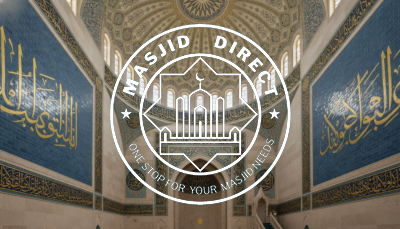
Calligraphy rarely stands alone in mosque design; it works alongside carpets, tiles and lighting to create a unified interior. Carpet borders often echo calligraphic motifs, while tile work can incorporate inscriptions that complement wall panels and mihrab designs.
Chandeliers and lighting fixtures also play a supporting role, illuminating calligraphic details without overwhelming them. Thoughtful integration ensures that every element—from floor to ceiling—contributes to a harmonious, spiritually uplifting atmosphere. For mosques exploring this holistic approach, our guide on masjid carpet and interior design offers practical insight into balancing these elements effectively.
Acoustic considerations matter too, as sound systems must be installed without disrupting the visual flow of calligraphic features. Our article on mosque sound systems explores how technology can be discreetly integrated into these carefully designed spaces.
Colour palette plays a particularly important role in this integration. Warm golds and deep blues used in calligraphic tilework are often mirrored in carpet patterns, creating a sense of continuity as the eye moves from floor to wall to ceiling. Similarly, chandelier light temperature is frequently chosen to enhance gilded inscriptions, casting a gentle glow that highlights calligraphic detail during evening prayers without creating harsh shadows or glare.
Ventilation and climate control systems, though invisible, also factor into these decisions, as humidity and temperature fluctuations can affect delicate gold leaf or painted calligraphy over time. Mosques investing in bespoke calligraphic schemes are therefore encouraged to coordinate closely with their interior design and building services teams from the earliest planning stages.
Commissioning Bespoke Islamic Calligraphy for Your UK Mosque
Commissioning calligraphy for a mosque is a significant undertaking that requires careful planning, from selecting appropriate verses to choosing materials that suit the building’s architecture. Bespoke work allows each mosque to reflect its own identity while honouring traditional Islamic art principles.
At Masjid Direct, we work closely with mosque committees across the UK to design calligraphy that fits both budget and vision. Our approach ensures that every inscription, whether carved, painted or tiled, aligns with the mosque’s overall Islamic interior design for mosques strategy.
The commissioning process typically begins with consultations to understand the mosque’s history, community preferences and any existing architectural features that calligraphy must complement. From there, draft designs are reviewed by scholars and committee members alike to ensure accuracy of verses and appropriateness of placement, a step that protects both the artistic and religious integrity of the finished work.
Working with Skilled Craftsmen and Manufacturers
Authentic Islamic calligraphy demands skilled hands trained in traditional techniques, from hand-painted tilework to precision-cut metal inscriptions. Masjid Direct partners only with experienced manufacturers who understand the cultural and religious weight behind each letterform.
This commitment to craftsmanship ensures longevity and accuracy, avoiding common pitfalls such as misquoted verses or poorly proportioned scripts. By collaborating with trusted artisans, mosques receive calligraphy that honours both artistic tradition and religious integrity, strengthening the overall masjid furnishing solutions provided throughout the project.
Many of these craftsmen have trained for years, sometimes decades, under master calligraphers before taking on independent commissions. Their expertise extends beyond simply reproducing letterforms; it includes an understanding of proportion, spacing and the subtle visual corrections needed when scaling a design from a small sketch to a dome spanning several metres. This level of skill is irreplaceable and forms the backbone of any successful calligraphic installation.
Choosing the right partner for this work means investing in a legacy that will serve generations of worshippers. Masjid Direct remains dedicated to supporting UK mosques with calligraphy solutions that are both beautiful and enduring.