

Ramadan Mosque Preparation Checklist: Is Your Masjid Ready?
Ramadan places very different demands on a mosque compared with a normal week. Congregation numbers rise, prayer halls remain occupied for longer periods, Taraweeh increases the importance of audio clarity and entrances experience considerably more movement.
Waiting until the first night of Ramadan to discover a faulty microphone, damaged carpet or failed CCTV camera creates unnecessary pressure. Preparation should begin early.
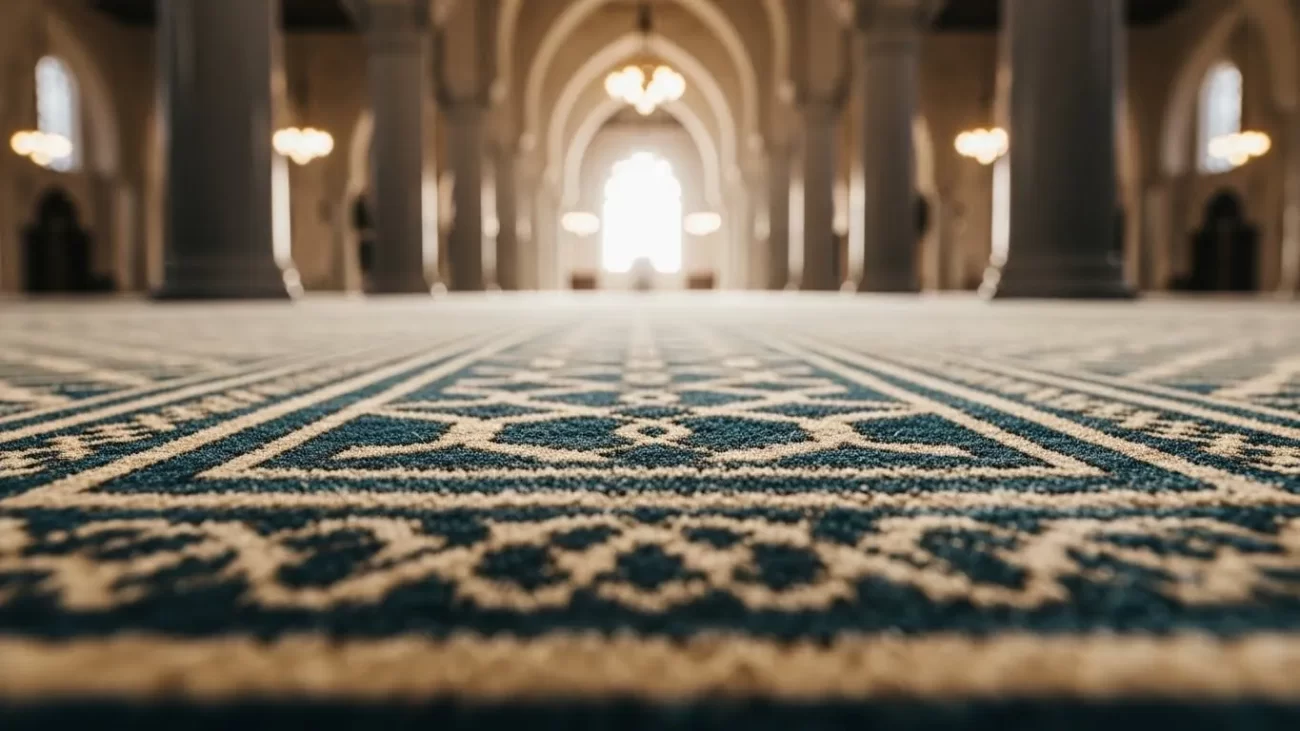
1. Inspect the Mosque Carpet
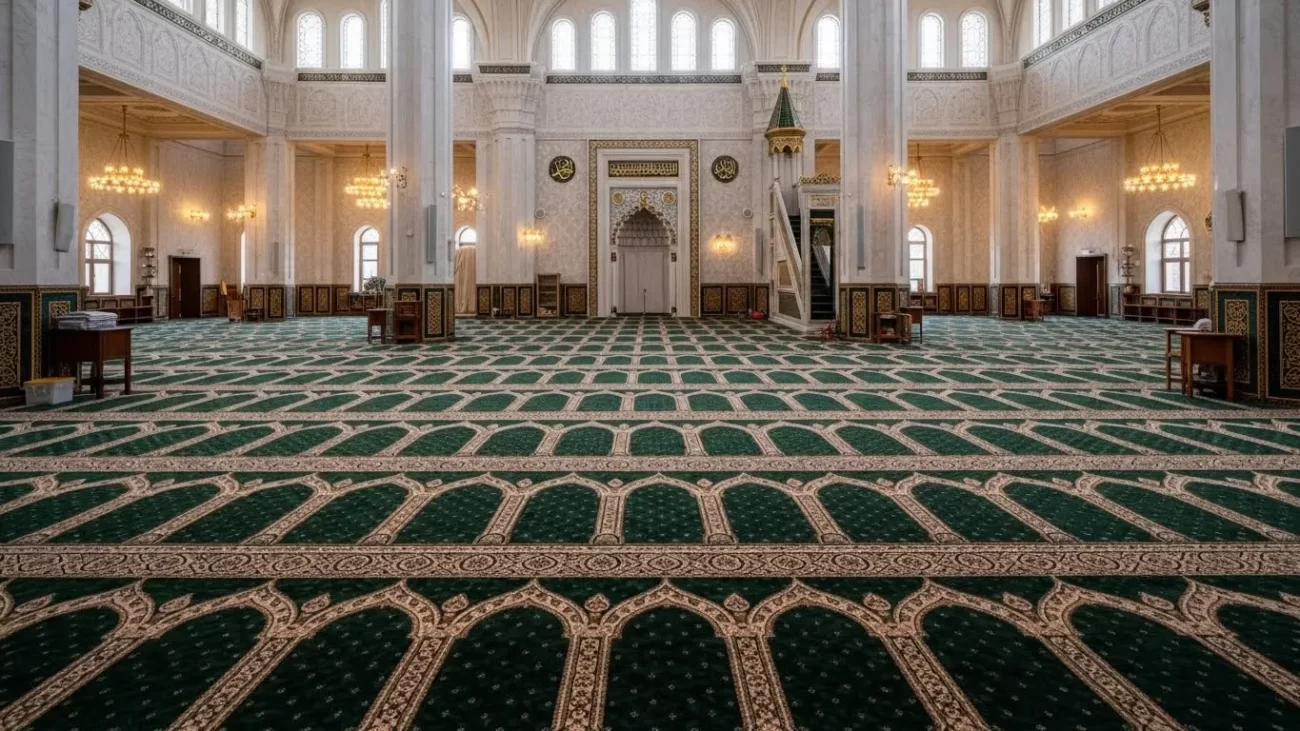
Walk through the entire prayer hall rather than examining only the centre. Check high-traffic sections, entrances, transitions between rooms and areas around columns. Look for movement, damaged sections or anything that could affect comfort and presentation. Professional cleaning should also be planned with enough time for the carpet to be fully ready before increased Ramadan attendance begins.
2. Test the Complete Sound System
Do not test only whether the microphone produces sound. Listen from the back of the prayer hall. Check the women’s section. Check overflow spaces. Test the imam microphone, mu’adhin microphone, wireless equipment and any additional areas receiving the programme feed. Ramadan is also a good time to verify that mixer settings have not gradually been changed over the year.
3. Check Acoustic Problems Before Taraweeh
Long Qur’an recitation places greater demands on the acoustic environment than short announcements. If worshippers regularly report excessive echo or poor clarity, investigate the room acoustics before simply increasing volume. Acoustic treatment and sound-system optimisation can make listening significantly more comfortable.
4. Inspect Lighting
Check the complete prayer hall, corridors, entrances, toilets, stairways and external approaches. Any decorative chandelier or high-level lighting that requires specialist access should be inspected well before Ramadan. This avoids difficult maintenance during periods of intensive use.
5. Review Shoe Storage and Entrance Flow
Entrance areas become especially busy before Taraweeh and Jumu’ah. Make sure shoe-storage capacity is sufficient and does not obstruct normal circulation. If shoes regularly spread into walkways during busy periods, the issue may require a better storage layout rather than temporary additional racks.
6. Check CCTV and Security Equipment
Confirm that relevant cameras are displaying correctly and that the recording system is functioning as intended. Entrance and external coverage become particularly important when the building remains active late into the evening. Security procedures should also be understood by the people responsible for the mosque.
7. Prepare Overflow Spaces
If additional prayer spaces are opened during Ramadan, prepare them before they are required. This includes carpet or flooring, audio coverage, lighting and safe circulation. Temporary areas should provide a consistent worship experience rather than being considered only after the main hall reaches capacity.
8. Inspect the Mihrab, Minbar and Interior Fixtures
Check visible furniture, wall features, Qur’an shelving and architectural details for damage. Small repairs completed early can greatly improve the presentation of the mosque without requiring a major refurbishment.
9. Verify Maintenance Contacts
If something fails during Ramadan, the committee should know who to contact. Keep the details of relevant audio, electrical, security and building-service providers readily available. For specialist mosque systems, ongoing aftercare can be particularly valuable because technicians already understand the installation. Masjid Direct provides mosque installation and maintenance support in addition to its product supply and specialist architectural design services.
10. Start Planning Earlier Than You Think
Bespoke carpet, furniture, architectural products and specialist equipment may require manufacturing or installation time. A mosque planning significant upgrades should therefore begin well before Ramadan rather than attempting to complete everything immediately beforehand. Early planning also provides the committee with time to compare options and make better purchasing decisions.
Frequently Asked Questions
When should a mosque begin preparing for Ramadan?
Routine inspection should begin well in advance. Larger work such as bespoke carpeting, acoustic treatment or architectural installations should be planned even earlier.
What should be tested on a mosque sound system?
Microphones, loudspeakers, different audio zones, mixer settings, cabling and wireless equipment should all be checked.
Why is acoustic clarity particularly important during Ramadan?
Taraweeh and longer recitations make comfortable, intelligible audio particularly important for worshippers throughout the prayer hall.
Can Masjid Direct help with mosque maintenance before Ramadan?
Masjid Direct provides installation and maintenance services alongside carpet, audio, security and other specialist mosque products.
Prepare Your Mosque for Ramadan
From mosque carpets and sound systems to acoustic treatment, lighting, security, furniture and maintenance, Masjid Direct can help prepare your masjid for one of the busiest periods of the year. Contact our London-based team to discuss your mosque requirements.